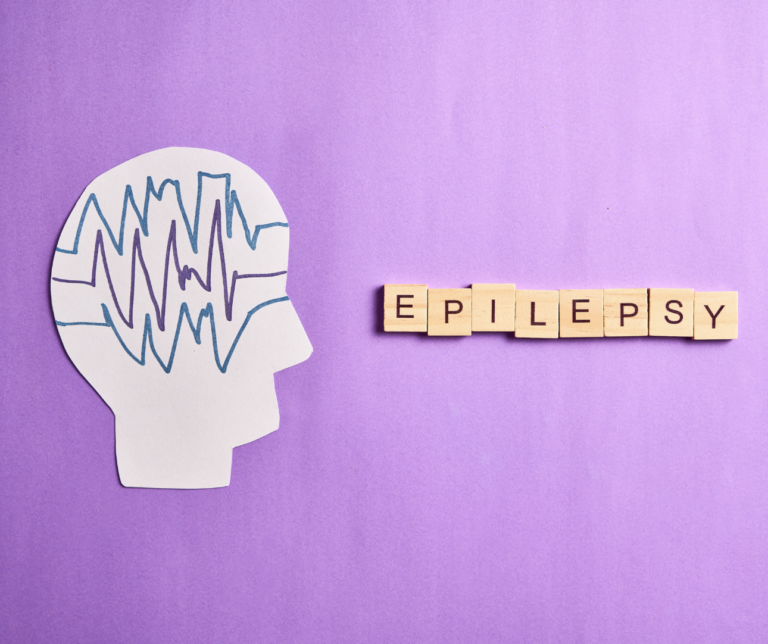
Epilepsy is a neurological condition that affects millions of children and adults worldwide. While seizures are often the most visible symptom, epilepsy impacts far more than moments of seizure activity. It can influence movement, learning, communication, independence, emotional well-being, and overall quality of life. With the right combination of medical care and therapeutic support, individuals with epilepsy can thrive and participate fully in daily life.
Understanding Epilepsy and Seizures
Epilepsy is a disorder of the brain characterized by recurrent, unprovoked seizures. Seizures occur when there is abnormal electrical activity in the brain and can vary widely in presentation and severity.
Common Types of Seizures Include:
- Focal seizures: Affect one area of the brain and may include altered awareness
- Generalized seizures: Affect both sides of the brain (e.g., tonic-clonic, absence)
- Myoclonic seizures: Sudden, brief muscle jerks
- Atonic seizures: Sudden loss of muscle tone, increasing fall risk
Epilepsy can be present at birth, develop after a brain injury or illness, or have an unknown cause. It often coexists with other neurological conditions such as cerebral palsy, autism, genetic syndromes, or developmental delays.
Daily Challenges for Individuals with Epilepsy
Living with epilepsy goes beyond seizure management. Many individuals face additional challenges that impact everyday function, including:
- Balance and coordination difficulties
- Muscle weakness or low tone
- Sensory processing challenges
- Delayed motor skills
- Speech and language delays
- Feeding and swallowing concerns
- Cognitive fatigue and attention difficulties
- Anxiety related to seizure unpredictability
These challenges can affect independence at home, school, work, and in the community.
Medical Treatment Options for Epilepsy
Medical management is essential and may include:
- Anti-seizure medications (ASMs)
- Dietary therapies such as the ketogenic diet
- Vagus Nerve Stimulation (VNS)
- Surgical interventions in select cases
While medical treatment focuses on reducing seizure frequency and severity, it does not always address the functional, developmental, or quality-of-life impacts. This is where therapy plays a critical role.
How Therapy Supports Individuals with Epilepsy Physical Therapy (PT): Improving Safety and Mobility
Physical therapy focuses on improving strength, balance, coordination, and movement efficiency—especially important for individuals at increased risk of falls due to seizures or low muscle tone.
PT can help with:
- Balance and postural control
- Gait training and endurance
- Strengthening and motor planning
- Safe mobility and fall prevention strategies
- Post-seizure recovery and fatigue management
Therapists also educate families on safe positioning, transfers, and mobility strategies.
Occupational Therapy (OT): Building Independence in Daily Life
Occupational therapy helps individuals with epilepsy participate more fully in daily activities while addressing sensory, cognitive, and motor challenges.
OT supports:
- Self-care skills (dressing, feeding, hygiene)
- Fine motor skills for writing, school, and work tasks
- Sensory regulation and emotional coping
- Visual-motor integration and attention
- Adaptive strategies for fatigue and safety
- Environmental modifications at home or school
OT plays a key role in helping individuals gain confidence and independence.
Speech-Language Therapy (SLP): Enhancing Communication and Swallowing
Speech therapy addresses communication, cognitive-linguistic skills, and feeding concerns that may accompany epilepsy.
SLP can help with:
- Expressive and receptive language skills
- Speech clarity and articulation
- Social communication
- Memory and problem-solving strategies
- Feeding and swallowing safety
- Oral motor coordination
This support is especially important for children whose seizures impact brain development and learning.
A Collaborative, Multidisciplinary Approach
Effective epilepsy care requires collaboration between neurologists, therapists, educators, and families. Therapy teams work closely with medical providers to:
- Monitor changes in function
- Adapt goals as seizure patterns evolve
- Support medication side effects such as fatigue or coordination issues
- Ensure continuity of care across environments
This team-based approach ensures comprehensive support beyond seizure control.
Therapy Across the Lifespan
Therapy needs change over time. Children may focus on developmental milestones and school participation, adolescents on independence and safety, and adults on mobility, employment, and quality of life. Ongoing therapy helps individuals adapt to changes and maintain function.
Empowering Individuals and Families
Living with epilepsy can feel overwhelming, but families are not alone. Therapy empowers individuals by:
- Building functional skills
- Increasing confidence
- Supporting emotional resilience
- Enhancing participation in meaningful activities
Supporting Life Beyond Seizures
Epilepsy management is about more than reducing seizures—it’s about supporting the whole person. With comprehensive therapy services alongside medical care, individuals with epilepsy can move, communicate, and engage more fully in everyday life.
If you or your loved one is living with epilepsy, our experienced therapy team at CWJR is here to help support independence, safety, and quality of life at every stage.