When a child or adult is diagnosed with a neurological disorder—or even when there are early signs of developmental concerns—it can feel overwhelming. Families are often left wondering:
“Should we wait and see… or act now?”
The answer, in most cases, is clear: early intervention matters.
At Crawl Walk Jump Run Therapy Clinic, we believe that starting therapy early can significantly impact long-term outcomes, helping individuals build stronger foundations, improve function, and reach their full potential.
What Is Early Intervention?
Early intervention refers to therapeutic services provided as soon as a neurological concern is identified, rather than waiting for delays or symptoms to worsen.
This can apply to:
● Infants showing developmental delays
● Children with diagnosed neurological conditions
● Adults recovering from neurological events such as stroke or injury
● Individuals experiencing early signs of neurodegenerative conditions The goal is simple: address challenges early to prevent larger difficulties later.
Why Timing Matters: The Role of the Brain
The brain is constantly changing, learning, and adapting—a concept known as neuroplasticity. Neuroplasticity is strongest:
● In early childhood
● Immediately following injury or neurological change
● During periods of active learning and repetition
This means the earlier therapy begins, the more effectively the brain can:
● Form new neural connections
● Develop efficient movement patterns
● Compensate for areas of weakness
● Build functional skills
Delaying intervention can allow inefficient patterns to become ingrained, making them harder to correct over time.
Signs That Early Intervention May Be Needed In Infants and Children
● Delayed milestones (rolling, sitting, crawling, walking)
● Preference for one side of the body
● Poor head control
● Feeding difficulties
● Limited eye contact or engagement
● Muscle stiffness or low muscle tone
● Difficulty with coordination
In Adults
● Weakness or imbalance after a stroke or injury
● Changes in walking or balance
● Difficulty with speech or swallowing
● Decreased coordination
● Early signs of neurological decline
Recognizing these signs early allows for quicker support and better outcomes.
How Early Therapy Makes a Difference
1️Builds Strong Foundations
Early therapy helps establish proper movement patterns, posture, and coordination—skills that are essential for long-term function.
2️Prevents Compensation Patterns
Without intervention, the body often finds “workarounds” that can lead to:
● Muscle imbalances
● Poor posture
● Increased strain on joints
● Long-term functional limitations
Early therapy guides the body toward efficient, healthy movement.
3️Supports Developmental Milestones
For children, therapy helps them progress through critical milestones that impact:
● Mobility
● Fine motor skills
● Communication
● Social interaction
4️Improves Independence
For both children and adults, early therapy promotes independence in:
● Daily activities
● Mobility
● Communication
● Self-care
5️Reduces Long-Term Therapy Needs
Addressing challenges early can reduce the severity of future impairments and, in some cases, shorten the overall duration of therapy.
A Multidisciplinary Approach to Early Intervention
Neurological conditions rarely affect just one area of function. That’s why early intervention is most effective when it involves a team approach.
Physical Therapy (PT)
● Strength, balance, and mobility
● Postural control
● Gross motor development
Occupational Therapy (OT)
● Fine motor skills
● Sensory processing
● Daily living activities
● Feeding and self-care
Speech Therapy (SLP)
● Communication skills
● Cognitive development
● Feeding and swallowing
Working together, these disciplines provide a comprehensive plan that supports the whole individual.
The Crawl Walk Jump Run Approach to Early Intervention
At Crawl Walk Jump Run Therapy Clinic, we take early intervention seriously because we know how much it matters.
Neurologically-Informed Care
We focus on how the brain and body work together, addressing the root causes of movement and functional challenges.
Hands-On, Skilled Therapy
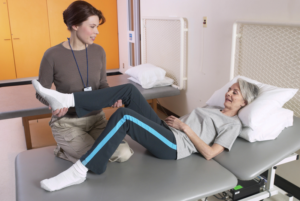
Our therapists use advanced techniques to guide movement, improve coordination, and build strength through active participation.
Whole-Body Focus
We don’t just treat one symptom—we evaluate and treat the entire system, including posture, movement, sensory processing, and function.
Advanced Equipment
Our clinic utilizes specialized equipment that allows patients to safely practice and master challenging movements.
Family-Centered Care
We partner with families by:
● Providing education
● Teaching carryover strategies
● Supporting progress at home
Early Intervention Is an Investment in the Future
Whether it’s a child learning to crawl or an adult relearning how to walk, early therapy intervention sets the stage for long-term success.
It’s not just about addressing current challenges—it’s about:
● Building confidence
● Creating independence
● Improving quality of life
● Preventing future complications
Don’t Wait to Get Answers
If you have concerns about your child’s development—or your own or a loved one’s neurological function—trust your instincts.
Seeking an evaluation doesn’t mean something is wrong—it means you are being proactive. At Crawl Walk Jump Run Therapy Clinic, we are here to guide you every step of the way.
Contact us today to schedule an evaluation and learn how early intervention can make a lasting difference.