Multiple Sclerosis (MS) is a chronic neurological condition that affects millions of people worldwide. While there is currently no cure, early and ongoing rehabilitation plays a critical role in managing symptoms, preserving function, and improving quality of life.
At Crawl Walk Jump Run Therapy Clinic, we believe in a multidisciplinary, whole-person approach to MS care—combining Physical Therapy (PT), Occupational Therapy (OT), and Speech-Language Pathology (SLP) to address the diverse and evolving challenges individuals with MS face.
Understanding Multiple Sclerosis
MS is an autoimmune disease in which the immune system attacks the myelin sheath that protects nerve fibers in the brain and spinal cord. This disruption slows or blocks communication between the brain and the body.
MS symptoms vary widely and may include:
● Muscle weakness or spasticity
● Balance and coordination difficulties
● Fatigue
● Gait abnormalities
● Sensory changes
● Cognitive challenges
● Speech or swallowing difficulties
● Vision problems
● Difficulty with daily tasks
Symptoms can fluctuate, progress gradually, or appear in relapsing episodes—making individualized care essential.
The Role of Rehabilitation in MS Care
Rehabilitation is not just supportive—it is foundational in helping individuals with MS remain active, independent, and engaged in daily life. Therapy focuses on:
● Managing symptoms
● Preventing secondary complications
● Improving functional mobility
● Conserving energy
● Enhancing safety
● Supporting communication and cognition
Physical Therapy for Multiple Sclerosis
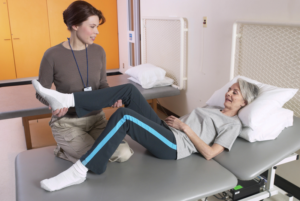
Physical Therapy helps address movement-related challenges and maintain physical function as MS progresses.
Key Focus Areas:
● Strengthening weakened muscles
● Reducing spasticity and stiffness
● Improving balance and coordination
● Enhancing gait and walking efficiency
● Preventing falls
● Managing fatigue through energy-efficient movement
PT Interventions May Include:
● Therapeutic strengthening and stretching
● Gait training with or without assistive devices
● Balance and postural control exercises
● Neuromuscular re-education
● Task-specific functional training
● Fatigue management strategies
PT programs are customized to respect fluctuating energy levels while maximizing safety and mobility.
Occupational Therapy for Multiple Sclerosis
Occupational Therapy focuses on helping individuals maintain independence in daily life, even as symptoms change.
OT Supports:
● Dressing, bathing, and grooming
● Meal preparation and feeding
● Fine motor coordination
● Hand strength and dexterity
● Cognitive and executive functioning
● Energy conservation techniques
● Home and workplace adaptations
OT Interventions May Include:
● Adaptive equipment recommendations
● Upper extremity strengthening and coordination
● Visual-perceptual and cognitive strategies
● Fatigue management and pacing
● Environmental modifications for safety
● Work and daily routine restructuring
OT empowers individuals with MS to continue participating in meaningful activities while minimizing exhaustion and frustration.
Speech Therapy for Multiple Sclerosis
Speech-Language Pathologists play a vital role in managing communication, cognitive-linguistic, and swallowing difficulties associated with MS.
Speech Therapy Addresses:
● Slurred or slowed speech
● Word-finding difficulties
● Reduced voice volume
● Cognitive changes (attention, memory, processing speed)
● Swallowing difficulties (dysphagia)
SLP Interventions May Include:
● Speech clarity and articulation exercises
● Voice strengthening and breath support
● Cognitive-communication strategies
● Memory and organization tools
● Swallowing safety strategies
● Diet and positioning recommendations
Early intervention can significantly reduce the risk of aspiration and support effective communication.
Why a Multidisciplinary Approach Matters
MS affects multiple systems simultaneously. Coordinated care between PT, OT, and SLP ensures:
✔ Consistent goals across therapies
✔ Reduced duplication of effort
✔ Improved carryover into daily life
✔ Holistic symptom management
✔ Better long-term outcomes
At Crawl Walk Jump Run, therapists collaborate closely to create a cohesive, individualized treatment plan that evolves with the patient’s needs.
Managing Fatigue: A Central Focus in MS Therapy
Fatigue is one of the most common and disabling symptoms of MS.
Therapy teams work together to:
● Optimize movement efficiency
● Teach pacing and rest strategies
● Modify tasks to reduce energy expenditure
● Support routines that prevent overexertion
Learning how to do more with less energy can dramatically improve quality of life.
Adapting Therapy Across the MS Journey
MS is unpredictable, and therapy plans must adapt accordingly. Rehabilitation can support individuals:
● After a new diagnosis
● During symptom flare-ups
● During periods of progression
● Following hospitalization or relapse
● As mobility or cognitive needs change
Therapy is beneficial at every stage of MS—not just during periods of decline.
Why Choose Crawl Walk Jump Run Therapy Clinic
Our therapists are experienced in neurological rehabilitation and understand the complexities of MS. We offer:
● Individualized treatment plans
● Skilled, hands-on therapy
● Advanced neuromuscular techniques
● Functional, goal-oriented interventions
● Collaborative care across disciplines
● Compassionate, patient-centered support
We focus on maximizing independence, preserving function, and helping individuals live well with MS.
How Specialized Therapy Equipment Makes a Difference in Treating Multiple Sclerosis
While clinical expertise is the foundation of effective MS rehabilitation, specialized therapeutic equipment can significantly enhance outcomes when used by experienced neurological therapists. At Crawl Walk Jump Run Therapy Clinic, we utilize advanced equipment strategically—not as a replacement for hands-on care, but as a powerful extension of it.
MS presents with fluctuating strength, fatigue, balance challenges, spasticity, and motor control impairments. Specialized equipment allows therapists to safely challenge patients at the right intensity, support proper movement patterns, and reduce compensatory strategies that can worsen symptoms over time.
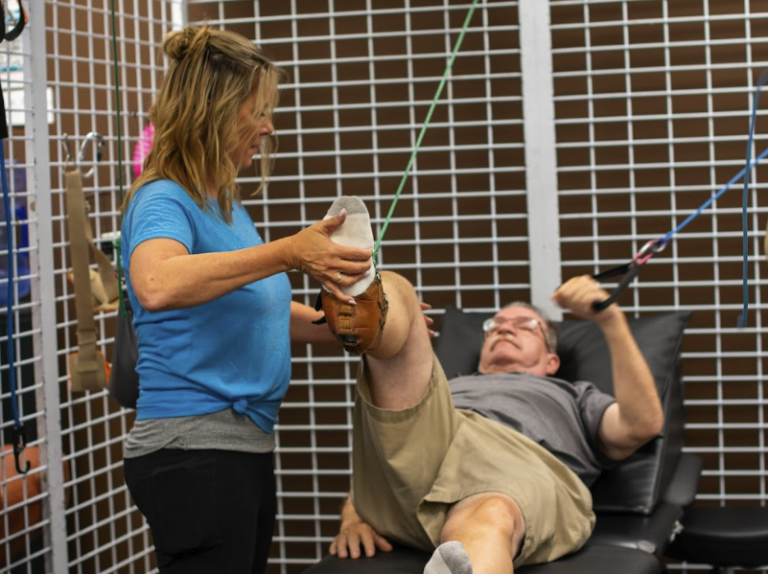
Universal Exercise Unit (Spider Cage)
The Universal Exercise Unit is especially valuable for individuals with MS because it allows for:
● Partial body-weight support during movement
● Improved postural alignment and trunk control
● Safe practice of standing, balance, and transitional movements
● Targeted strengthening without excessive fatigue
● Reduction of fear and fall risk
By supporting the body while still requiring active engagement, therapists can focus on quality of movement, symmetry, and neuromuscular control, even on days when fatigue is more pronounced.
Partial Weight-Bearing & Gait Support Systems
Walking efficiency often declines with MS due to weakness, spasticity, balance issues, or altered sensation. Gait support systems allow therapists to:
● Reduce the physical demand of walking
● Improve step symmetry and stride length
● Practice endurance safely
● Retrain proper gait mechanics
● Increase confidence during mobility training
This technology enables earlier, safer, and more effective gait retraining, even for individuals who may not yet tolerate full weight-bearing activity.
Functional Electrical Stimulation (FES)
FES can be a powerful tool in MS rehabilitation by:
● Improving muscle activation and timing
● Reducing muscle weakness and fatigue
● Supporting functional movements such as walking or reaching
● Enhancing neuromuscular re-education
When applied by skilled clinicians, FES helps retrain communication between the nervous system and muscles—especially valuable for individuals experiencing weakness or foot drop.
Balance & Vestibular Training Equipment
Balance deficits are common in MS and significantly increase fall risk. Specialized equipment allows therapists to:
● Safely challenge postural reactions
● Train dynamic balance
● Improve sensory integration
● Enhance core stability and coordination
These tools help patients build confidence and safety in both therapy and daily life.
Adaptive and Task-Specific Training Tools
Occupational and speech therapists also utilize specialized tools to support:
● Fine motor coordination
● Hand strength and dexterity
● Cognitive-linguistic engagement
● Functional task performance
These tools allow therapy to closely mirror real-life activities while maintaining safety and efficiency.
Equipment Alone Is Not the Treatment—Expert Use Is
At CWJR, we emphasize that equipment does not replace skilled therapy—it enhances it.
Our therapists are trained to:
✔ Adjust support based on daily fatigue levels
✔ Progress activities safely
✔ Prevent overexertion
✔ Monitor neurological response
✔ Focus on function over repetition
This expertise ensures that equipment is used purposefully and effectively, never as a “one-size-fits-all” solution.
Why This Matters for People Living With MS
Because MS is unpredictable, therapy must be adaptable. Specialized equipment allows us to:
● Modify intensity in real time
● Support safe movement on low-energy days
● Continue progress during symptom fluctuations
● Reduce injury risk
● Promote long-term mobility and independence
A Comprehensive, High-Level Approach to MS Care At Crawl Walk Jump Run Therapy Clinic, our combination of:
● Neurologically trained therapists
● Multidisciplinary collaboration
● Advanced therapeutic equipment
● Individualized treatment planning
creates an environment where individuals with MS can safely challenge themselves, build confidence, and maintain function across all stages of the condition.
Living Well With MS
While MS presents challenges, rehabilitation therapy empowers individuals to remain active participants in their lives. With the right support, people with MS can:
● Move more confidently
● Communicate more effectively
● Manage fatigue
● Stay safe at home and in the community
● Maintain independence and dignity
Interested in learning how therapy can support MS management? Contact Crawl Walk Jump Run Therapy Clinic to schedule an evaluation and take the next step toward comprehensive neurological care.