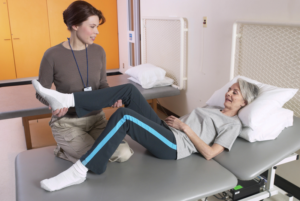
Receiving a diagnosis of a neurodegenerative disorder can feel overwhelming for both individuals and their families. These conditions affect the nervous system and often progress over time, impacting movement, communication, cognition, and daily independence. While every diagnosis is unique, understanding what neurodegenerative disorders are, and how supportive care can help—empowers families to navigate the journey with confidence and compassion.
This guide is designed to help families better understand neurodegenerative disorders, recognize common challenges, and learn how therapy plays a vital role in maintaining quality of life.
What Are Neurodegenerative Disorders?
Neurodegenerative disorders are conditions in which nerve cells in the brain, spinal cord, or peripheral nervous system gradually deteriorate or stop functioning. As these cells degenerate, the body’s ability to control movement, speech, swallowing, and other vital functions becomes impaired.
These disorders are typically progressive, meaning symptoms may worsen over time. However, the rate of progression and symptom presentation vary widely from person to person.
Common Neurodegenerative Disorders
Some of the most well-known neurodegenerative conditions include:
● Alzheimer’s disease and other dementias
● Parkinson’s disease
● Amyotrophic Lateral Sclerosis (ALS)
● Multiple Sclerosis (MS)
● Huntington’s disease
● Spinal muscular atrophy
● Progressive supranuclear palsy
Each condition affects the nervous system differently, but many share overlapping challenges.
Common Symptoms Families May Notice
Symptoms depend on the specific diagnosis but may include:
● Muscle weakness or stiffness
● Difficulty with balance or walking
● Tremors or involuntary movements
● Changes in speech clarity or voice volume
● Difficulty swallowing or chewing
● Fatigue
● Cognitive changes or memory loss
● Changes in emotional regulation or behavior
These symptoms can affect daily routines, independence, and emotional well-being—for both the individual and their caregivers.
How Neurodegenerative Disorders Impact Daily Life
As symptoms progress, individuals may experience challenges with:
● Walking safely and transferring
● Dressing, bathing, and personal care
● Eating and drinking
● Communicating needs and thoughts
● Participating in hobbies and social activities
Families often take on increasing caregiving responsibilities, which can be physically and emotionally demanding. Education, planning, and support are essential.
The Role of Therapy in Neurodegenerative Disorders
Although neurodegenerative conditions cannot currently be cured, therapy plays a critical role in preserving function, slowing decline, preventing complications, and improving quality of life.
Physical Therapy (PT)
Physical therapists help individuals:
● Maintain strength and mobility
● Improve balance and reduce fall risk
● Address gait and posture changes
● Manage fatigue and stiffness
● Learn safe transfer techniques
● Use adaptive equipment effectively
PT focuses on keeping individuals moving safely for as long as possible.
Occupational Therapy (OT)
Occupational therapists support independence in daily activities by:
● Modifying tasks and environments
● Teaching energy conservation strategies
● Addressing fine motor and coordination challenges
● Recommending adaptive tools for daily living
● Supporting cognitive and visual-perceptual needs
OT helps individuals continue participating in meaningful activities.
Speech-Language Pathology (SLP)
Speech therapists address:
● Speech clarity and voice control
● Swallowing safety and efficiency
● Cognitive-communication skills
● Alternative and augmentative communication (AAC) when needed
SLP services are critical for maintaining communication and nutritional safety.
Why a Multidisciplinary Approach Matters
Neurodegenerative disorders affect multiple systems of the body. A coordinated care approach ensures:
● Comprehensive treatment
● Consistent communication between providers
● Individualized goal-setting
● Proactive management of changing needs
When PT, OT, and SLP work together, care is more effective and better aligned with the individual’s goals.
Supporting the Emotional Well-Being of Families
Caring for a loved one with a neurodegenerative disorder can bring feelings of grief, stress, and uncertainty. Families benefit from:
● Education about what to expect
● Open communication with the care team
● Access to community resources
● Caregiver support
Taking care of the caregiver is just as important as caring for the patient.
Planning for the Future
Early planning allows families to:
● Establish realistic goals
● Prepare for progressive changes
● Adapt the home environment
● Discuss communication and mobility needs
● Advocate for appropriate services
Therapy teams can help guide these conversations and provide resources.
Hope Through Supportive Care
While neurodegenerative disorders present ongoing challenges, quality of life can be preserved and enhanced through skilled therapy, compassionate care, and family involvement. Therapy focuses on abilities—not limitations—and empowers individuals to live as fully as possible at every stage.
Why Crawl Walk Jump Run Therapy Clinic Stands Out as a Preferred Provider
Not all therapy clinics are equipped to effectively manage the complex and evolving needs of individuals with neurodegenerative disorders. At Crawl Walk Jump Run Therapy Clinic, our approach goes beyond traditional therapy models. We combine advanced clinical expertise, specialized neurological equipment, and highly individualized treatment plans to provide comprehensive, proactive care.
Neurologically Driven, Individualized Care
Our therapists are specially trained in neurological rehabilitation and understand that neurodegenerative conditions require anticipatory, adaptable, and highly skilled intervention. Treatment plans are continuously adjusted as symptoms change, ensuring care remains relevant and effective at every stage of the condition.
Specialized Equipment Designed for Neurological Rehabilitation
We utilize advanced therapeutic equipment that allows us to safely challenge patients, support weakened systems, and maximize functional gains, including:
● Universal Exercise Units (Spider Cages): Improve strength, balance, posture, and functional movement with partial body-weight support.
● Functional Electrical Stimulation (FES): Helps activate weakened muscles, improve motor control, and support functional movement.
● Suspension and Dynamic Balance Systems: Safely address gait, transfers, and postural control.
● Specialized Seating, Positioning, and Adaptive Equipment: Supports alignment, comfort, and participation in daily activities.
● Fine and Gross Motor Integration Tools: Promote coordination, endurance, and motor planning.
This equipment allows our therapists to treat more effectively than clinics limited to standard mats and tables.
Unique Therapy Approaches That Go Beyond Traditional Models
In addition to skilled PT, OT, and SLP services, Crawl Walk Jump Run incorporates complementary and advanced treatment approaches, such as:
● Reflex Integration Therapy
● Sensory Integration Techniques
● Craniosacral Therapy
● Task-specific functional training
● Fatigue management and energy conservation strategies
These approaches address the neurological root of movement, speech, and functional challenges, not just the symptoms.
True Multidisciplinary Collaboration
Our Physical, Occupational, and Speech Therapists work collaboratively—not in isolation. This integrated approach ensures:
● Consistent goals across disciplines
● Improved carryover into daily life
● Addressing mobility, communication, swallowing, and daily independence together Families benefit from one cohesive team guiding care.
Family Education and Long-Term Support
We prioritize educating families and caregivers so they feel confident supporting their loved one outside of therapy. This includes:
● Home exercise and positioning education
● Equipment and adaptive strategy recommendations
● Safety training and fall prevention
● Ongoing communication as needs evolve
Families are treated as essential members of the care team.
Focused on Quality of Life at Every Stage
Our goal is not just to slow decline—but to maximize comfort, dignity, independence, and participation for as long as possible. Whether a patient is newly diagnosed or navigating later stages, our team meets them where they are and supports meaningful engagement in daily life.
A Trusted Partner in Neurodegenerative Care
Crawl Walk Jump Run Therapy Clinic is recognized as a preferred provider because we offer:
● Advanced neurological expertise
● Specialized equipment
● Comprehensive, multidisciplinary services
● Compassionate, patient- and family-centered care
Supporting You Every Step of the Journey
Neurodegenerative disorders are complex, but families don’t have to navigate them alone. With the right team, tools, and approach, individuals can continue to move, communicate, and live with purpose.
Contact Crawl Walk Jump Run Therapy Clinic to learn how our unique therapies and equipment can support your loved one.