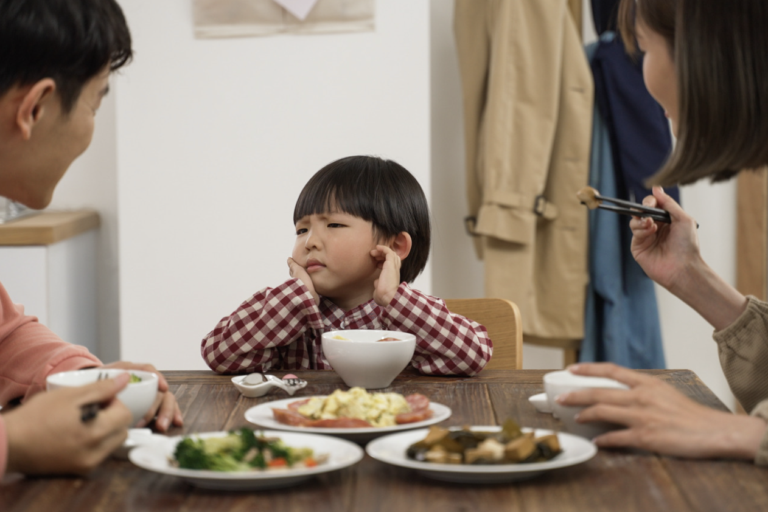
As parents, it can be frustrating and concerning when your child refuses certain foods, gags at the sight of particular textures, or seems extremely selective about what they will eat. While picky eating is common during childhood, some children experience much greater challenges with food textures, tastes, smells, and sensations that can affect their nutrition, growth, and family mealtimes.
If mealtimes feel like a daily battle, there may be more going on than simple picky eating. Understanding why your child struggles with certain textures and foods is the first step toward helping them develop a healthier and more positive relationship with eating.
Understanding Food Texture Sensitivities
Food texture sensitivities occur when a child has difficulty tolerating certain sensory experiences associated with eating. These sensitivities can make foods feel overwhelming, uncomfortable, or even frightening.
Children may refuse foods that are:
● Crunchy
● Mushy
● Mixed-texture foods (such as casseroles or soups)
● Stringy
● Sticky
● Slippery
● Lumpy
● Chewy
For some children, the issue is not the taste at all—it is how the food feels in their mouth.
Common Signs of Texture Sensitivities
Your child may:
● Gag when trying new foods
● Spit out foods frequently
● Refuse entire food groups
● Prefer only smooth or only crunchy foods
● Become upset when foods touch each other
● Eat a very limited variety of foods
● Take unusually long to finish meals
● Avoid messy foods
● Become anxious around mealtimes
These behaviors are often signs that eating is genuinely difficult for your child rather than a matter of stubbornness.
Sensory Processing and Feeding Challenges
One of the most common reasons children struggle with food textures is sensory processing differences.
The sensory system helps us interpret information from our environment, including touch, taste, smell, movement, and body awareness. When sensory processing is not functioning efficiently, certain sensations can feel either too intense or not intense enough.
Oral Sensory Over-Responsiveness
Children who are overly sensitive may experience foods as:
● Too crunchy
● Too slimy
● Too grainy
● Too wet
● Too cold
● Too spicy
These children may react strongly to foods that most people find completely normal. Oral Sensory Under-Responsiveness
Other children may seek stronger sensory input and prefer:
● Crunchy foods
● Spicy foods
● Chewy foods
● Foods with strong flavors
These children may reject softer foods because they do not provide enough sensory feedback.
Oral Motor Challenges
Sometimes the issue is not sensory—it is physical.
Eating requires a complex combination of muscles in the:
● Lips
● Tongue
● Jaw
● Cheeks
● Throat
Children with oral motor difficulties may struggle to:
● Chew efficiently
● Move food around their mouth
● Manage different food textures safely
● Coordinate swallowing
As a result, they may avoid foods that feel difficult to chew or swallow.
Signs of oral motor difficulties may include:
● Pocketing food in the cheeks
● Excessive drooling
● Difficulty chewing
● Frequent gagging
● Choking concerns
● Fatigue during meals
Medical Conditions That Can Affect Feeding
Food aversions can also be linked to underlying medical conditions.
Some common contributors include:
Reflux (GERD)
Children with reflux may associate eating with discomfort or pain, causing them to avoid certain foods.
Food Allergies or Intolerances
Past experiences with allergic reactions or digestive discomfort can create negative associations with eating.
Eosinophilic Esophagitis (EoE)
This inflammatory condition can make swallowing difficult and uncomfortable.
Tongue Tie or Oral Restrictions
Restricted tongue movement can impact chewing, swallowing, and feeding development.
Neurological Conditions
Children with conditions such as:
● Down syndrome
● Genetic syndromes
● Developmental delays
may experience feeding difficulties due to sensory, motor, or neurological factors.
When Picky Eating Becomes a Feeding Disorder
Many children go through phases of selective eating. However, feeding concerns may require professional evaluation when they begin affecting:
Nutrition
Your child may not be getting the nutrients needed for growth and development.
Growth
Poor weight gain or slowed growth can be a sign that feeding challenges are impacting overall health.
Family Life
Mealtimes become stressful, emotional, or disruptive for the entire family.
Social Participation
Children may avoid birthday parties, school lunches, restaurants, or social gatherings because of food limitations.
How Occupational Therapy Helps Children with Food and Texture Challenges
Occupational therapists play a critical role in helping children overcome feeding difficulties and sensory-based food aversions.
At Crawl Walk Jump Run Therapy Clinic, our occupational therapists look beyond the food itself to understand the underlying causes of feeding challenges.
Sensory Integration Therapy
Therapists help children gradually become more comfortable with different sensory experiences related to food.
This may include:
● Touching foods
● Smelling foods
● Exploring textures
● Food play activities
● Sensory regulation strategies
The goal is to reduce anxiety and improve tolerance in a positive, pressure-free environment.
Oral Motor Development
Therapists assess the strength and coordination of the muscles needed for:
● Chewing
● Biting
● Swallowing
● Drinking
Treatment focuses on building the skills necessary for safe and efficient eating.
Expanding Food Repertoires
Children are gradually introduced to new foods through evidence-based feeding approaches. Therapy may focus on:
● Increasing food variety
● Improving food acceptance
● Reducing mealtime stress
● Building confidence around eating
Family Education
Parents are an essential part of the feeding journey.
Therapists provide practical strategies that families can use at home to support progress without creating pressure or power struggles around food.
Why Early Intervention Matters
Children who struggle with feeding often do not simply “grow out of it.”
Without intervention, feeding challenges can become more deeply ingrained over time and may lead to:
● Nutritional deficiencies
● Delayed growth
● Increased anxiety around eating
● Social limitations
● Ongoing feeding disorders
Early identification and treatment can help children develop healthy eating habits, improve nutrition, and make mealtimes more enjoyable for everyone.
Why Families Choose Crawl Walk Jump Run Therapy Clinic
At Crawl Walk Jump Run Therapy Clinic, we understand that feeding challenges are rarely just about food.
Our multidisciplinary team works together to identify the sensory, motor, developmental, and medical factors contributing to your child’s feeding difficulties.
What makes our approach unique:
Comprehensive Evaluations
We examine the whole child to uncover the root causes of feeding challenges.
Specialized Feeding Expertise
Our therapists have experience working with children who have:
● Sensory processing differences
● Developmental delays
● Neurological conditions
● Genetic syndromes
● Oral motor impairments
Multidisciplinary Collaboration
Our occupational, physical, and speech therapists work together when needed to create a comprehensive treatment plan.
Child-Centered Approach
We focus on making therapy fun, engaging, and successful while building trust and confidence.
Family-Focused Care
We partner closely with parents and caregivers to ensure progress continues outside the clinic.
The Bottom Line
If your child has trouble with certain textures, refuses entire food groups, gags during meals, or seems extremely selective about what they eat, there may be an underlying sensory, motor, or medical reason.
The good news is that help is available.
With the right support, children can learn to tolerate new textures, expand their food choices, improve nutrition, and develop a healthier relationship with eating.
At Crawl Walk Jump Run Therapy Clinic, we are committed to helping children build the skills and confidence they need to thrive at mealtime and beyond.
Concerned about your child’s feeding skills? Contact Crawl Walk Jump Run Therapy Clinic today to schedule an evaluation and learn how our feeding specialists can help make mealtimes more successful for your entire family.