Caring for a loved one who uses a wheelchair is an act of compassion, dedication, and love. Whether you are helping a child with a developmental disability, an adult recovering from a spinal cord injury, or an aging parent with a neurological condition, caregiving often involves physical tasks that can place significant strain on your body.
Many caregivers experience back pain, shoulder injuries, neck strain, wrist discomfort, and even serious musculoskeletal injuries from lifting, transferring, repositioning, and assisting their loved ones. Unfortunately, caregiver injuries are incredibly common and can impact both the caregiver’s health and the quality of care they are able to provide.
The good news is that physical therapy (PT) and occupational therapy (OT) can help both the wheelchair user and their caregiver develop safer movement strategies, improve independence, and reduce the risk of injury for everyone involved.
Why Caregiver Injuries Are So Common
Most caregivers are not formally trained in body mechanics, transfer techniques, or wheelchair mobility. As a result, they often rely on strength rather than proper technique.
Common activities that can lead to injury include:
● Transferring from wheelchair to bed
● Assisting with toileting
● Helping with bathing
● Getting in and out of vehicles
● Repositioning in bed
● Managing stairs
● Pushing a wheelchair over uneven surfaces
● Preventing falls
● Lifting a child who is growing larger and heavier
Even small repetitive movements performed incorrectly can create cumulative stress on the body over time.
Common Caregiver Injuries
Low Back Pain
The most common injury among caregivers is low back pain.
Repeated bending, twisting, and lifting can strain the muscles, ligaments, and discs of the spine. Shoulder Injuries
Helping someone stand, supporting their weight during transfers, or catching a loved one during a loss of balance can place excessive stress on the shoulder joint.
Common shoulder injuries include:
● Rotator cuff strains
● Tendinitis
● Impingement syndrome
Neck Pain
Caregivers often maintain awkward postures while assisting with feeding, dressing, bathing, and transportation.
These repetitive positions can contribute to chronic neck pain and headaches.
Wrist and Hand Injuries
Frequent pushing of wheelchairs, gripping transfer belts, and assisting with mobility can lead to:
● Tendinitis
● Carpal tunnel syndrome
● Thumb and hand pain
Knee and Hip Pain
Improper lifting mechanics often force caregivers to rely on their knees and hips rather than using safer movement strategies.
How Physical Therapy Helps Reduce Caregiver Injuries
Physical therapists focus on movement, strength, balance, mobility, and safe transfer techniques.
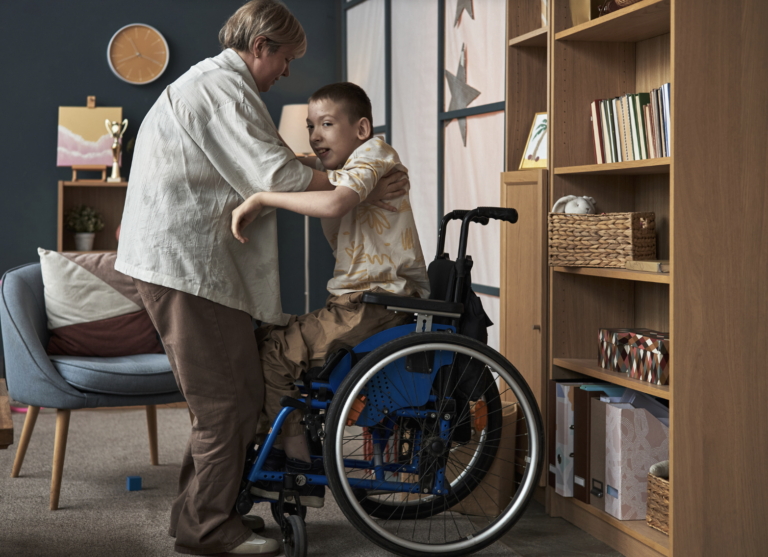
Transfer Training
One of the most valuable services PT provides is transfer training.
Physical therapists teach caregivers how to safely assist with:
● Wheelchair to bed transfers
● Toilet transfers
● Shower transfers
● Car transfers
● Floor recovery techniques
Rather than lifting a loved one, caregivers learn how to guide movement and maximize the individual’s abilities.
This significantly decreases physical strain.
Proper Body Mechanics
Many injuries occur because caregivers unknowingly use poor lifting mechanics. Physical therapists teach:
● How to protect your back
● Proper foot positioning
● Weight shifting techniques
● Using leg strength instead of back muscles
● Safe reaching and lifting strategies
Small adjustments often make a huge difference.
Strengthening the Wheelchair User
When individuals become stronger, they require less physical assistance. PT may focus on improving:
● Core strength
● Leg strength
● Sitting balance
● Standing tolerance
● Transfer abilities
Even modest improvements can greatly reduce caregiver workload.
Fall Prevention
Physical therapists assess fall risk and create programs to improve:
● Balance
● Walking safety
● Endurance
● Functional mobility
Preventing falls protects both the wheelchair user and the caregiver.
How Occupational Therapy Helps Reduce Caregiver Injuries
Occupational therapists specialize in helping people perform daily activities more safely and independently.
Activities of Daily Living Training
OT helps wheelchair users improve participation in:
● Dressing
● Grooming
● Bathing
● Feeding
● Toileting
The more independently a person can complete these activities, the less physical demand is placed on caregivers.
Home Safety Evaluations
Many caregiver injuries occur because the environment is not set up efficiently. Occupational therapists can recommend modifications such as:
● Grab bars
● Shower benches
● Raised toilet seats
● Transfer poles
● Bed rails
● Wheelchair-accessible layouts
These modifications often prevent injuries before they happen.
Adaptive Equipment Recommendations
OTs are experts in adaptive equipment that can make caregiving safer. Examples include:
● Transfer boards
● Mechanical lifts
● Gait belts
● Sliding sheets
● Reachers
● Adaptive dressing tools
● Positioning systems
Using the right equipment can dramatically reduce physical strain.
Wheelchair Positioning
Poor positioning often causes caregivers to reposition loved ones repeatedly throughout the day.
Occupational therapists assess:
● Seating systems
● Cushioning
● Postural support
● Pressure relief strategies
Proper positioning promotes comfort and decreases the need for frequent adjustments.
Warning Signs That Caregivers Need Help
Caregivers often ignore their own symptoms until injuries become severe. Seek assistance if you experience:
● Back pain after transfers
● Shoulder pain when helping your loved one
● Frequent fatigue
● Difficulty lifting safely
● Fear of dropping your loved one
● Increasing physical demands as your child grows
● Repeated near-falls during transfers
These are signs that additional support and training may be needed.
Special Considerations for Parents of Children Who Use Wheelchairs
Parents often face unique challenges because children continue to grow while still requiring assistance.
A transfer that was easy at age 5 may become dangerous at age 12.
Therapists can help families:
● Develop long-term lifting strategies
● Recommend equipment before injuries occur
● Introduce adaptive devices as children grow
● Promote greater independence
● Plan for future mobility needs
Proactive planning protects both the child and caregiver.
The Emotional Impact of Caregiver Injuries
Physical injuries don’t just affect the body.
When caregivers become injured, they may experience:
● Increased stress
● Anxiety about providing care
● Loss of confidence
● Burnout
● Feelings of guilt
Preventing injuries allows caregivers to focus on what matters most—supporting their loved one while maintaining their own health and well-being.
The Goal: Protect Both the Caregiver and the Individual
Therapy is not just about helping the person in the wheelchair. It is about supporting the entire family.
A successful PT and OT program focuses on:
✓ Improving independence
✓ Making transfers safer
✓ Reducing physical strain
✓ Preventing falls
✓ Improving home safety
✓ Teaching proper body mechanics
✓ Recommending adaptive equipment
✓ Protecting caregiver health
When caregivers remain healthy and injury-free, they are better able to provide the consistent support their loved ones need to thrive.
How Crawl Walk Jump Run Therapy Clinic Can Help
At Crawl Walk Jump Run Therapy Clinic, our Physical Therapists and Occupational Therapists work with both pediatric and adult wheelchair users and their caregivers. We provide individualized training, transfer education, wheelchair positioning assessments, adaptive equipment recommendations, and strategies to improve safety at home and in the community.
If you are helping care for a loved one who uses a wheelchair and are experiencing pain, fatigue, or concerns about safe mobility, our team can help you develop a plan that protects both you and your loved one.
Your health matters too—and with the right support, caregiving can become safer, easier, and more sustainable for the entire family.