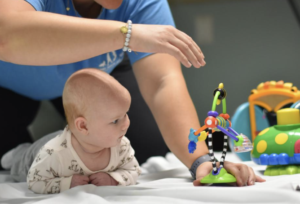

As parents, it’s easy to focus on the milestones right in front of us, taking first steps, learning to use utensils, writing a name, or following classroom routines. What many families don’t realize is that the skills developed during the early years of life lay the groundwork for future academic success, independence, and effective study habits during the teenage years.
Occupational Therapy (OT) is often associated with helping young children improve fine motor skills, sensory processing, and daily living activities. However, the benefits of Occupational Therapy extend far beyond childhood. The foundational skills developed in early intervention and elementary school years often become the building blocks for successful studying, organization, time management, and academic performance during middle school, high school, and beyond.
At Crawl Walk Jump Run Therapy Clinic (CWJR), our Occupational Therapists help children develop the essential skills needed not only for success today, but for lifelong learning and independence.
Study Habits Don’t Begin in High School
Many parents assume study habits begin when students receive homework assignments, projects, or exams. In reality, the skills that support studying start developing years earlier.
Before a teenager can:
- Manage homework independently
- Plan for long-term assignments
- Organize study materials
- Take effective notes
- Prepare for exams
- Balance school, sports, and extracurricular activities
They first need foundational skills such as:
- Attention
- Self-regulation
- Executive functioning
- Fine motor skills
- Visual processing
- Organization
- Time awareness
- Emotional regulation
These are all areas Occupational Therapy frequently addresses during childhood.
Executive Functioning: The Brain’s Management System
One of the most important predictors of successful study habits is strong executive functioning skills.
Executive functioning refers to the brain’s ability to:
- Plan
- Organize
- Prioritize
- Start tasks
- Stay focused
- Manage time
- Problem solve
- Self-monitor
- Complete tasks independently
These skills begin developing in early childhood and continue maturing throughout adolescence and young adulthood.
Occupational Therapists help children strengthen executive functioning long before academic demands become overwhelming.
How Early OT Builds Executive Functioning Skills
Following Multi-Step Directions
Young children often work on:
- Following routines
- Completing obstacle courses
- Participating in structured activities
- Sequencing tasks
These activities help children learn how to:
- Listen
- Remember instructions
- Follow through with tasks
As teenagers, these same skills are necessary for:
- Completing homework assignments
- Following classroom expectations
- Managing projects
- Studying independently
Developing Organizational Skills
In Occupational Therapy, children learn to:
- Organize materials
- Clean up activities
- Sort objects
- Follow schedules
- Use visual supports
These early organizational experiences eventually support:
- Managing binders
- Keeping track of assignments
- Organizing study materials
- Planning for exams
Without strong organizational skills, even highly intelligent students can struggle academically.
Building Attention and Focus
One of the biggest challenges many teenagers face is maintaining attention during studying and completing assignments.
Attention skills begin developing long before students enter middle school.
Occupational Therapy helps children improve:
- Sustained attention
- Selective attention
- Task persistence
- Ability to work through distractions
Therapists use engaging activities that gradually increase a child’s ability to focus for longer periods.
As children grow, these skills become critical for:
- Reading textbooks
- Listening during lectures
- Completing homework
- Preparing for tests
Emotional Regulation Supports Learning
Studying isn’t only about academics. It’s also about managing emotions when work becomes challenging.
Teenagers frequently encounter:
- Academic pressure
- Difficult coursework
- Social stress
- Test anxiety
- Frustration
Children who struggle to regulate emotions may:
- Avoid assignments
- Give up easily
- Become overwhelmed
- Have difficulty managing stress
Occupational Therapists help children learn:
- Coping strategies
- Self-calming techniques
- Emotional awareness
- Frustration tolerance
- Flexible thinking
These skills often become invaluable during the demanding high school years.
Sensory Processing and Classroom Success
Many children who receive Occupational Therapy have sensory processing challenges.
When sensory needs are not addressed, children may struggle with:
- Sitting still
- Paying attention
- Following directions
- Participating in learning activities
OT helps children understand and manage their sensory needs.
As teenagers, this may translate into:
- Better concentration during studying
- Improved classroom participation
- Increased independence
- Reduced mental fatigue
Children who learn how their bodies and brains function often become better self-advocates later in life.
Fine Motor Skills Still Matter
Parents are often surprised to learn that fine motor skills continue to affect academic performance throughout adolescence.
Strong fine motor skills support:
- Handwriting
- Note-taking
- Keyboarding
- Test completion
- Organization of written work
When children develop these skills early, they are often more efficient and confident when completing school-related tasks later.
Visual Processing Skills and Studying
Visual processing is the brain’s ability to make sense of what the eyes see.
Occupational Therapy often addresses:
- Visual tracking
- Visual memory
- Visual attention
- Visual discrimination
These skills are essential for:
- Reading comprehension
- Note-taking
- Copying information
- Completing worksheets
- Studying from textbooks
Teenagers with strong visual processing skills often find it easier to absorb and organize academic information.
Building Independence From an Early Age
One of the most important goals of Occupational Therapy is helping children become more independent.
Therapists work on:
- Completing routines
- Managing responsibilities
- Following schedules
- Solving problems independently
These skills naturally evolve into:
- Managing homework
- Preparing for exams
- Meeting deadlines
- Advocating for accommodations
- Balancing multiple responsibilities
The more opportunities children have to practice independence early, the more prepared they may be for the increasing demands of adolescence.
The Connection Between Play and Study Skills
Many OT sessions for young children involve play-based activities.
To an outside observer, it may look like children are simply playing games. However, these activities are often targeting skills such as:
- Planning
- Attention
- Memory
- Sequencing
- Flexibility
- Problem-solving
These same cognitive skills become essential when:
- Studying for exams
- Writing research papers
- Managing multiple assignments
- Learning complex academic concepts
Play truly is a child’s first classroom.
Why Early Intervention Matters
The brain develops rapidly during the first years of life.
Early intervention allows therapists to support skill development during a critical period of growth.
Addressing challenges early can help children:
- Develop confidence
- Build strong learning habits
- Improve independence
- Strengthen executive functioning
- Establish positive routines
The earlier foundational skills are developed, the better equipped children may be to handle future academic demands.
Signs Your Child May Benefit From Occupational Therapy
Your child may benefit from an OT evaluation if they struggle with:
- Attention and focus
- Following directions
- Emotional regulation
- Organization
- Sensory processing
- Fine motor skills
- Handwriting
- Task completion
- Independence with routines
- School participation
Addressing these concerns early can help establish a stronger foundation for future learning.
How CWJR Can Help
At Crawl Walk Jump Run Therapy Clinic, our Occupational Therapists focus on helping children develop the skills needed for success both now and in the future.
We help children build:
- Executive functioning skills
- Attention and concentration
- Emotional regulation
- Organization skills
- Independence
- Fine motor skills
- Visual processing abilities
- Sensory regulation strategies
- Problem-solving skills
- Confidence and resilience
Building Tomorrow’s Success Today
Strong study habits don’t suddenly appear when a child reaches middle school or high school. They are built over years through the development of attention, organization, self-regulation, problem-solving, and independence.
Occupational Therapy helps children develop these critical life skills from an early age, creating a foundation that supports academic success, effective study habits, and lifelong learning.
At Crawl Walk Jump Run Therapy Clinic, we believe every small skill learned today can become the foundation for greater success tomorrow. By investing in these developmental skills early, children are better prepared to navigate the challenges of adolescence, excel academically, and grow into confident, independent learners.