A cerebrovascular accident (CVA), more commonly known as a stroke, can change a person’s life in an instant. Stroke recovery is often a long and emotional journey—not only for the patient, but also for their family and caregivers.
The good news is that advances in medical treatment, rehabilitation strategies, and neurological therapy are helping more stroke survivors regain function, independence, and quality of life than ever before.
At Crawl Walk Jump Run Therapy Clinic, we understand that stroke recovery does not end after hospitalization. Comprehensive rehabilitation and individualized recovery pathways are essential for maximizing long-term outcomes.
What Is a CVA (Stroke)?
A stroke occurs when blood flow to part of the brain is interrupted, causing brain cells to become damaged or die.
The brain controls:
● Movement
● Speech
● Memory
● Coordination
● Sensation
● Cognition
● Swallowing
● Vision
Because different areas of the brain control different functions, stroke symptoms vary depending on the location and severity of the injury.
Types of Stroke
Ischemic Stroke
An ischemic stroke occurs when a blood vessel supplying the brain becomes blocked. This is the most common type of stroke.
Common causes include:
● Blood clots
● Narrowed arteries
● Cardiovascular disease
Hemorrhagic Stroke
A hemorrhagic stroke occurs when a blood vessel in the brain ruptures and causes bleeding.
This type of stroke can create pressure within the brain and often requires emergency medical intervention.
Transient Ischemic Attack (TIA)
Often called a “mini-stroke,” a TIA causes temporary interruption of blood flow. Symptoms may resolve quickly, but a TIA is a serious warning sign for future stroke risk.
Common Stroke Symptoms
Stroke symptoms often appear suddenly and may include:
● Weakness on one side of the body
● Facial drooping
● Slurred speech
● Difficulty speaking or understanding language
● Loss of balance or coordination
● Vision changes
● Confusion
● Severe headache
● Difficulty walking
● Numbness or sensory changes
Quick medical attention is critical.
The Importance of Early Stroke Treatment
The phrase “time is brain” is extremely important in stroke care.
The faster treatment begins:
● The more brain tissue may be saved
● The better the long-term outcomes
● The lower the risk of permanent disability
Emergency interventions may include:
● Clot-busting medications
● Surgical procedures
● Blood pressure management
● Stabilization and monitoring
Early medical care sets the foundation for recovery.
Understanding Stroke Recovery Pathways
Stroke recovery typically occurs in phases. Each stage requires different levels of care and rehabilitation.
Phase 1: Acute Hospital Care
The first stage focuses on:
● Medical stabilization
● Preventing complications
● Monitoring neurological status
● Early mobilization
During hospitalization, therapy may begin very early to:
● Prevent deconditioning
● Improve mobility
● Encourage safe movement
● Begin functional retraining
Phase 2: Inpatient Rehabilitation
Some patients transition to an inpatient rehabilitation facility after hospitalization. This phase may include:
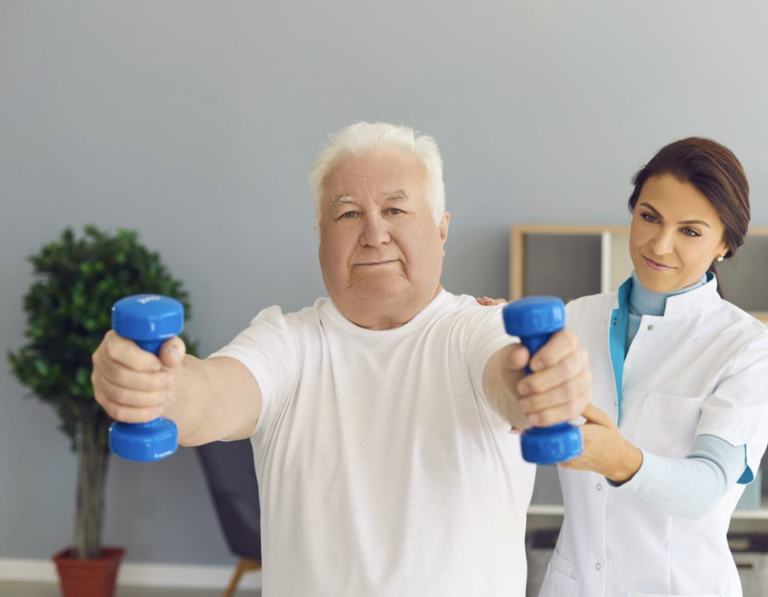
● Intensive physical therapy
● Occupational therapy
● Speech therapy
● Daily rehabilitation sessions
Goals often focus on:
● Transfers
● Walking
● Self-care
● Communication
● Swallowing safety
Phase 3: Outpatient Neurological Rehabilitation
Outpatient therapy is often where long-term progress truly develops.
At this stage, patients work on:
● Strengthening
● Balance
● Coordination
● Endurance
● Fine motor skills
● Cognitive skills
● Community reintegration
This phase can continue for months—or even years—depending on the patient’s needs.
Physical Therapy After Stroke
Physical therapy helps patients regain movement and mobility.
Treatment may address:
● Walking mechanics
● Balance
● Strength
● Coordination
● Endurance
● Postural control
● Fall prevention
Stroke survivors commonly experience:
● Weakness on one side
● Muscle tightness or spasticity
● Poor balance
● Fatigue
● Difficulty walking
PT helps retrain the nervous system and improve functional mobility.
Occupational Therapy After Stroke
Occupational therapy focuses on helping patients regain independence in daily life.
OT may target:
● Dressing
● Bathing
● Feeding
● Hand function
● Fine motor coordination
● Visual processing
● Cognitive skills
● Home management tasks
Stroke often impacts one upper extremity significantly, making OT critical for restoring function.
Speech Therapy After Stroke
Stroke can affect:
● Speech production
● Language comprehension
● Memory
● Cognition
● Swallowing
Speech therapy helps patients improve:
● Communication
● Word retrieval
● Cognitive processing
● Swallow safety
● Social interaction skills
Neuroplasticity: The Brain’s Ability to Heal
One of the most important concepts in stroke recovery is neuroplasticity. Neuroplasticity refers to the brain’s ability to:
● Form new neural connections
● Reorganize pathways
● Learn new movement patterns
Therapy encourages this process through:
● Repetition
● Task-specific training
● Functional movement
● Sensory input
● Consistent practice
Recovery is often possible long after the stroke occurred.
Advanced Stroke Rehabilitation Strategies
Modern neurological rehabilitation goes beyond basic exercise.
At Crawl Walk Jump Run, advanced rehabilitation approaches may include:
Neuromuscular Re-Education
This treatment helps retrain proper movement patterns and improve communication between the brain and muscles.
It focuses on:
● Movement quality
● Muscle activation
● Coordination
● Functional performance
Balance and Vestibular Training
Stroke frequently impacts:
● Balance
● Spatial awareness
● Stability
Therapy helps improve:
● Weight shifting
● Postural reactions
● Dynamic balance
● Safety during mobility
Gait Training
Walking retraining may involve:
● Body-weight support systems
● Treadmill training
● Functional walking practice
● Strengthening
● Coordination exercises
The goal is safer, more efficient mobility.
Functional Task Training
Stroke recovery improves when therapy focuses on real-life activities. Examples include:
● Reaching tasks
● Sit-to-stand practice
● Stair navigation
● Carrying objects
● Community mobility
Emotional Recovery After Stroke
Stroke recovery is not only physical.
Many patients experience:
● Anxiety
● Depression
● Frustration
● Fear
● Loss of confidence
Emotional support, encouragement, and compassionate care are essential parts of recovery. Families and caregivers also need support throughout the process.
The Importance of Family Involvement
Family involvement can significantly impact outcomes.
Caregivers often help with:
● Home exercise programs
● Mobility assistance
● Encouragement
● Carryover of therapy strategies
Education helps families feel more confident and empowered.
Why Consistency Matters in Stroke Recovery
Stroke rehabilitation requires repetition and consistency.
Many patients plateau not because progress is impossible—but because therapy stops too soon.
Ongoing therapy can continue improving:
● Strength
● Coordination
● Function
● Endurance
● Independence
Even small gains can create meaningful improvements in daily life.
How Crawl Walk Jump Run Supports Stroke Recovery
At Crawl Walk Jump Run Therapy Clinic, we provide individualized neurological rehabilitation for stroke survivors across multiple stages of recovery.
Our multidisciplinary approach includes:
● Physical therapy
● Occupational therapy
● Speech therapy
● Advanced neurological equipment
● Hands-on treatment techniques
● Functional, goal-oriented care
We focus on helping patients:
● Improve mobility
● Restore independence
● Increase safety
● Build confidence
● Return to meaningful activities
Stroke Recovery Is a Journey—Not a Deadline
Recovery timelines vary for every individual.
Some patients regain function quickly, while others require ongoing support over time. What matters most is having:
● The right therapy team
● Consistent intervention
● Functional goals
● Personalized treatment
Progress is possible at every stage of recovery.
There Is Hope After Stroke
A stroke diagnosis can feel overwhelming, but rehabilitation can help patients rebuild skills, regain independence, and improve quality of life.
At Crawl Walk Jump Run Therapy Clinic, we are committed to helping stroke survivors navigate their recovery journey with expert neurological care, advanced therapy strategies, and compassionate support every step of the way.
If you or a loved one is recovering from a stroke, our team is here to help guide the path forward.