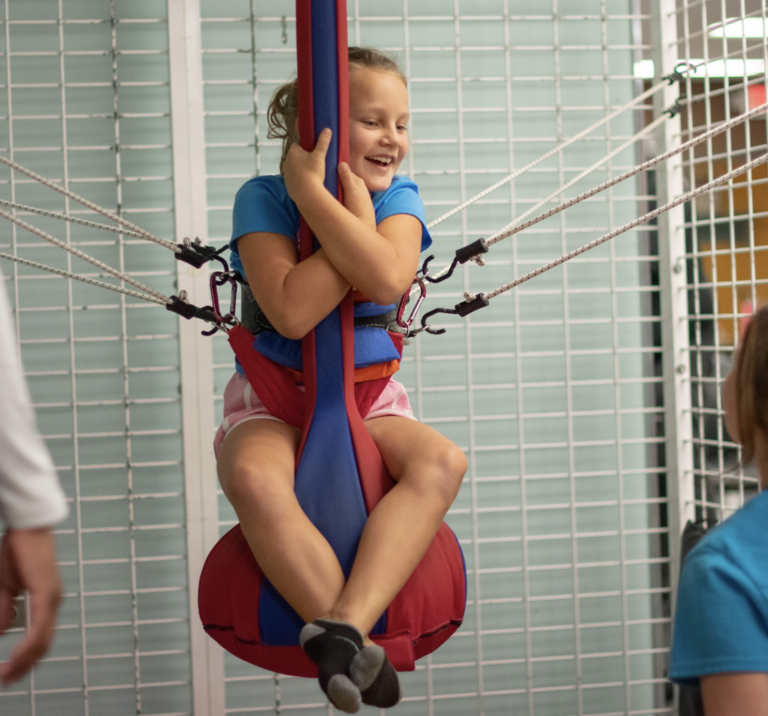
Developmental Coordination Disorder (DCD) is a neurological condition that affects a child’s ability to plan, coordinate, and execute movements. Often misunderstood as clumsiness or lack of effort, DCD can significantly impact a child’s confidence, independence, academic performance, and social participation.
With the right therapeutic support, children with DCD can build stronger motor foundations, develop functional skills, and gain confidence in their abilities. Occupational Therapy (OT) and Physical Therapy (PT) play a critical role in helping children with DCD succeed at home, school, and in the community.
What Is Developmental Coordination Disorder?
DCD is a motor-based developmental condition characterized by difficulties with:
● Motor planning
● Coordination
● Balance
● Timing and sequencing of movement
● Learning new motor skills
These challenges are not due to muscle weakness or intelligence, but rather how the brain processes and organizes movement.
DCD often becomes more noticeable when children:
● Enter preschool or kindergarten
● Begin sports or playground activities
● Start handwriting and classroom tasks
● Face increased demands for independence
Common Signs of DCD
Children with DCD may:
● Appear clumsy or frequently trip and fall
● Struggle with running, jumping, or climbing
● Have difficulty learning to ride a bike
● Avoid sports or physical play
● Fatigue easily during movement tasks
● Have poor posture or low muscle tone
● Struggle with fine motor tasks such as writing, cutting, or buttoning
● Take longer to complete daily tasks
● Become frustrated or avoidant
Because DCD often affects self-esteem, children may begin to withdraw socially or develop anxiety related to movement-based activities.
Why Early Intervention Matters
Without intervention, children with DCD may experience:
● Persistent motor delays
● Academic challenges due to slow task completion
● Decreased physical fitness
● Increased risk of anxiety or low self-confidence
● Avoidance of physical activity into adolescence and adulthood
Early therapy helps children develop skills before poor movement patterns and avoidance behaviors become ingrained.
How Occupational Therapy Helps Children with DCD
Occupational Therapy focuses on helping children participate in daily activities—also known as the occupations of childhood.
OT Interventions Target:
● Fine motor coordination
● Handwriting and school skills
● Bilateral coordination
● Motor planning and sequencing
● Visual-motor integration
● Sensory processing
● Executive function and task organization
OT May Include:
● Hand strengthening and dexterity activities
● Handwriting interventions
● Task breakdown and skill sequencing
● Visual supports and motor planning strategies
● Sensory-based regulation techniques
● Adaptive tools for classroom and home use
OT helps children build the skills they need to function more independently and confidently in everyday routines.
How Physical Therapy Helps Children with DCD
Physical Therapy focuses on gross motor development, strength, balance, and overall movement efficiency.
PT Interventions Target:
● Balance and coordination
● Core strength and postural control
● Gait and running mechanics
● Jumping, hopping, and climbing
● Endurance and physical confidence
● Motor skill acquisition
PT May Include:
● Strengthening and conditioning exercises
● Balance training
● Gross motor play-based activities
● Gait training
● Functional movement practice
● Sports and playground readiness
PT helps children develop the foundational movement skills needed for participation in physical play, sports, and daily mobility.
The Power of OT and PT Working Together
DCD affects both fine and gross motor systems, which is why collaboration between OT and PT is essential.
When therapists work together, treatment becomes:
✔ More cohesive
✔ More efficient
✔ More functional
✔ Better generalized to real-life tasks
OT and PT collaborate to:
● Align movement strategies
● Reinforce skills across settings
● Address posture, coordination, and task performance together
● Support carryover at home and school
This multidisciplinary approach leads to stronger outcomes.
Building Confidence and Emotional Resilience
Children with DCD often experience frustration and self-doubt. Therapy supports emotional well-being by:
● Creating successful movement experiences
● Celebrating small wins
● Teaching problem-solving strategies
● Encouraging participation without pressure
● Reducing comparison to peers
Confidence grows as competence improves.
Supporting School Success
DCD can impact classroom performance due to:
● Slow handwriting
● Difficulty with cutting, coloring, and organization
● Fatigue during school tasks
● Challenges in physical education
Therapists collaborate with families and schools to:
● Recommend accommodations
● Improve efficiency
● Support participation
● Reduce frustration
What Progress Looks Like
With consistent OT and PT, children with DCD may:
● Move more efficiently
● Improve balance and coordination
● Complete tasks faster
● Participate more confidently
● Enjoy physical activity
● Gain independence in daily routines
Progress is individualized, but meaningful change is achievable.
Why Choose Crawl Walk Jump Run Therapy Clinic
At Crawl Walk Jump Run Therapy Clinic, we offer:
● Therapists trained in pediatric neuromotor conditions
● Individualized, play-based treatment
● Collaborative OT and PT care
● Family education and home programs
● Focus on function, not just skills
Our goal is to help children not just improve—but thrive.
Helping Children Move Forward With Confidence
DCD is not a lack of effort or motivation. It is a neurological condition that requires skilled, supportive intervention.
With Occupational Therapy and Physical Therapy, children can build the motor skills, confidence, and independence they need to fully participate in their world.
Interested in an evaluation or have concerns about your child’s coordination? Contact Crawl Walk Jump Run Therapy Clinic to learn how we can help.