An ischemic stroke can change a person’s life in an instant. It occurs when a blood clot blocks a vessel supplying blood to the brain, depriving brain tissue of oxygen and nutrients. This type of stroke accounts for approximately 85% of all strokes, making it the most common form of stroke worldwide.
While emergency medical treatment is essential to restore blood flow and minimize brain injury, recovery does not stop at the hospital. Rehabilitation is the next critical phase, helping patients regain strength, independence, and quality of life.
At Crawl Walk Jump Run Therapy Clinic, our multidisciplinary neurological rehabilitation team provides advanced therapy designed to support recovery after ischemic stroke.
Understanding Ischemic Stroke
Ischemic strokes occur when a clot obstructs blood flow to part of the brain. The longer the brain goes without oxygen, the greater the potential damage to brain cells.
Common symptoms include:
● Sudden weakness on one side of the body
● Difficulty speaking or understanding language
● Vision disturbances
● Loss of coordination or balance
● Facial drooping
● Difficulty swallowing
● Cognitive or memory changes
Prompt medical care is essential, but rehabilitation is what helps patients regain lost abilities and rebuild functional independence.
Latest Advances in Ischemic Stroke Treatment
Stroke care has advanced significantly over the last decade. Early medical intervention combined with specialized rehabilitation has dramatically improved outcomes.
1. Rapid Clot-Dissolving Medications
One of the most important advances in stroke treatment is the use of tissue plasminogen activator (tPA), a medication that dissolves blood clots.
When administered quickly—typically within a few hours of stroke onset—tPA can restore blood flow and reduce brain damage.
Hospitals now follow rapid-response protocols to deliver treatment faster than ever before.
2. Mechanical Thrombectomy
For larger clots, physicians may perform a mechanical thrombectomy, a minimally invasive procedure in which a catheter is used to physically remove the clot from the blocked artery.
This approach can significantly improve outcomes for patients with severe strokes.
3. Advanced Brain Imaging
New imaging technologies allow doctors to identify which brain tissue is still viable and which areas may be recoverable. This helps guide treatment decisions and extends the window for certain interventions.
4. Early Rehabilitation
One of the most impactful changes in stroke care is the emphasis on early rehabilitation. Research shows that beginning therapy as soon as medically safe can improve long-term outcomes.
Early therapy helps:
● Prevent muscle stiffness and weakness
● Promote brain plasticity
● Encourage proper movement patterns
● Reduce long-term disability
The Brain’s Ability to Rewire After Stroke
The brain has an incredible ability called neuroplasticity, which allows it to reorganize and form new neural connections after injury.
Through repetitive, task-specific training, the brain can learn new ways to perform movements and regain lost functions.
However, neuroplasticity requires skilled, consistent therapy to guide the brain toward efficient and functional movement patterns.
That’s where specialized neurological rehabilitation becomes essential.
The Role of Therapy in Stroke Recovery
Stroke rehabilitation is not one-size-fits-all. Recovery depends on the location and severity of the stroke, as well as the patient’s individual goals.
A comprehensive rehabilitation program often includes:
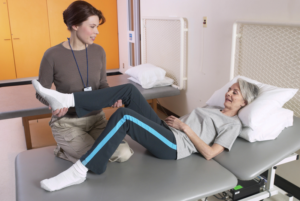
Physical Therapy (PT)
Physical therapy focuses on restoring movement and strength.
Goals may include:
● Improving balance and coordination
● Rebuilding strength in weakened muscles
● Increasing weight bearing on the affected side
● Restoring walking ability
● Improving endurance and mobility
Physical therapy helps patients regain independence in everyday movement.
Occupational Therapy (OT)
Occupational therapy focuses on functional independence in daily activities. Therapists help patients relearn skills such as:
● Dressing and grooming
● Cooking and meal preparation
● Writing and hand coordination
● Fine motor control
● Visual perception and processing
OT also addresses cognitive challenges that may occur after stroke.
Speech-Language Pathology (SLP)
Speech therapists address communication and swallowing difficulties, which are common after stroke.
Treatment may include:
● Speech and language recovery
● Cognitive communication skills
● Memory and problem solving
● Swallowing and feeding safety
These therapies help patients safely return to daily routines and social interaction.
Why Crawl Walk Jump Run Is the Preferred Provider for Stroke
Rehabilitation
Recovering from a stroke requires more than basic therapy. It requires expert neurological care, advanced equipment, and a team that understands how the brain heals.
Crawl Walk Jump Run Therapy Clinic provides a comprehensive approach that supports patients through every stage of recovery.
A Multidisciplinary Neurological Team
Our clinic brings together specialists in:
● Physical Therapy
● Occupational Therapy
● Speech Therapy
This collaborative approach ensures that all aspects of recovery are addressed, including movement, communication, cognition, and functional independence.
Advanced Neurological Rehabilitation Techniques
Our therapists use evidence-based techniques designed to promote neuroplasticity and functional recovery, including:
● Neuromuscular re-education
● Functional strengthening
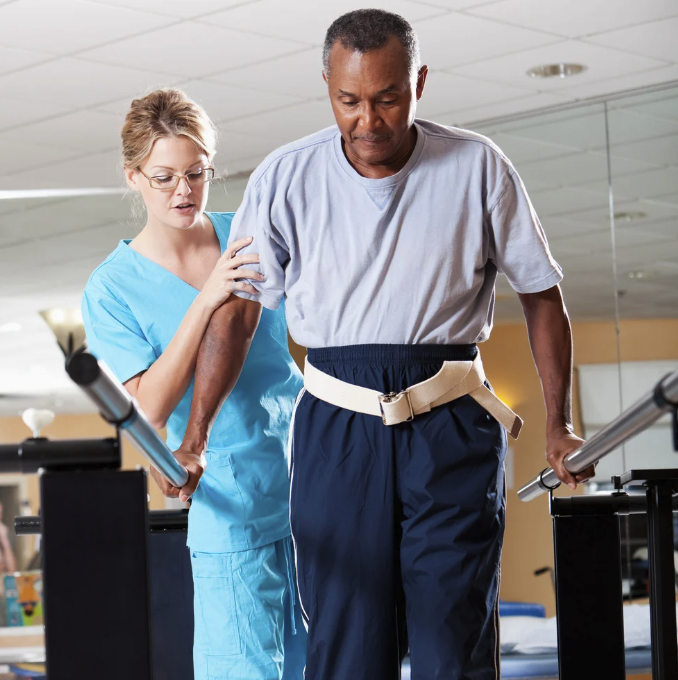
● Balance and gait training
● Task-specific movement retraining
● Reflex integration techniques when appropriate
● Sensory integration strategies
● Craniosacral therapy
These approaches help the brain relearn efficient movement patterns.
Specialized Equipment That Enhances Recovery
Crawl Walk Jump Run offers advanced therapeutic equipment that allows patients to practice movements safely while challenging the nervous system.
This may include:
● Universal Exercise Units
● Dynamic balance systems
● Suspension therapy
● Weight-bearing support systems
● Functional training environments
These tools allow patients to practice movements that may not be possible in traditional therapy settings.
Intensive, Goal-Driven Therapy
Stroke recovery often requires consistent and focused rehabilitation. Our clinic provides structured therapy programs that are individualized to each patient’s needs and goals.
We work closely with patients and families to:
● Set realistic recovery goals
● Track measurable progress
● Adapt treatment plans as recovery evolves
This patient-centered approach helps maximize outcomes.
Whole-Person Recovery
Stroke affects more than just muscles and movement. It can impact confidence, emotional well-being, and independence.
At Crawl Walk Jump Run, we support patients through the full recovery journey by focusing on:
● Functional independence
● Real-world skill training
● Family education and support
● Long-term wellness strategies
Our goal is to help patients return to the activities that matter most in their lives.
Recovery After Stroke Is Possible
While stroke recovery can be challenging, advances in medical care and rehabilitation have dramatically improved outcomes for patients.
With the right therapy and support, many individuals regain meaningful function and independence.
At Crawl Walk Jump Run Therapy Clinic, we are committed to providing expert neurological rehabilitation that helps patients rebuild strength, restore movement, and regain confidence.
If you or a loved one is recovering from a stroke, our experienced team is here to help guide you through every step of the recovery journey.
Contact Crawl Walk Jump Run today to learn more about how specialized neurological therapy can support stroke recovery.