Spinal Muscular Atrophy (SMA) is a rare genetic neuromuscular disorder that affects motor neurons in the spinal cord, leading to progressive muscle weakness and loss of motor function. While advances in medical treatment have dramatically improved outcomes, early diagnosis combined with comprehensive therapy intervention remains critical in maximizing function, independence, and quality of life.
What Is Spinal Muscular Atrophy?
SMA is caused by a mutation in the SMN1 gene, resulting in insufficient production of the survival motor neuron (SMN) protein. This protein is essential for the health and function of motor neurons that control voluntary muscle movement.
When motor neurons degenerate, muscles weaken and atrophy, affecting:
● Head and trunk control
● Breathing
● Swallowing and feeding
● Arm and leg movement
● Posture and alignment
SMA does not affect intelligence, and individuals with SMA often have typical cognitive development.
Types of SMA
SMA presents in different forms, classified by age of onset and functional abilities:
● Type 0: Prenatal onset with severe weakness at birth
● Type 1: Infant onset (most severe), significant difficulty with movement, breathing, and feeding
● Type 2: Onset in early childhood; children may sit but not walk independently
● Type 3: Later childhood or adolescence; individuals may walk initially but experience progressive weakness
● Type 4: Adult-onset with milder symptoms
Early identification allows for earlier intervention and better long-term outcomes.
Why Early Diagnosis Matters
With the inclusion of SMA in newborn screening programs, early diagnosis is now possible—even before symptoms appear. Early diagnosis allows:
● Prompt medical treatment
● Early initiation of therapy
● Prevention of secondary complications
● Support for developmental milestones
● Family education and planning
Early intervention helps preserve muscle strength and supports neurological development during critical periods of growth.
Therapy Approaches for Spinal Muscular Atrophy
Therapy is an essential component of SMA management and works alongside medical treatment to support function, mobility, and quality of life.
Physical Therapy (PT): Supporting Strength and Mobility
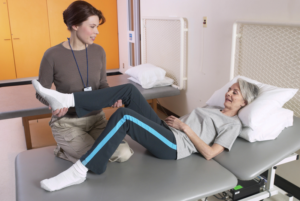
Physical therapy focuses on maintaining and optimizing movement while preventing secondary complications such as contractures, scoliosis, and respiratory compromise.
PT Goals May Include:
● Promoting age-appropriate motor skills
● Improving postural control and trunk stability
● Maintaining joint range of motion
● Supporting safe mobility and transfers
● Enhancing endurance and activity tolerance
● Supporting respiratory function through positioning and movement
Therapists carefully balance activity and rest to avoid over-fatigue.
Occupational Therapy (OT): Enhancing Daily Function
Occupational therapy supports participation in daily activities, play, school, and self-care while adapting tasks and environments to changing needs.
OT Interventions May Include:
● Upper extremity strength and coordination
● Fine motor skill development
● Adaptive equipment for feeding, dressing, and writing
● Positioning strategies to improve function
● Energy conservation techniques
● Environmental modifications at home and school
OT empowers individuals with SMA to maintain independence and engagement in meaningful activities.
Speech-Language Therapy (SLP): Feeding, Swallowing, and Communication
Speech therapy is vital for individuals with SMA who may experience oral motor weakness, swallowing difficulties, or speech changes.
SLP Supports:
● Feeding and swallowing safety
● Oral motor strength and coordination
● Speech clarity and breath support
● Augmentative and alternative communication (AAC) when needed
● Family education on feeding strategies
Early intervention can help prevent aspiration and support adequate nutrition.
The Importance of Specialized Equipment
Therapy for SMA often requires specialized equipment to safely support movement and posture, including:
● Positioning systems and adaptive seating
● Standing frames
● Gait trainers and mobility devices
● Universal Exercise Units for supported strengthening
● Orthotics and assistive technology
Skilled therapists ensure equipment is used appropriately and adjusted as needs evolve.
A Multidisciplinary, Family-Centered Approach
Successful SMA care requires collaboration between:
● Neurologists
● Pulmonologists
● Therapists (PT, OT, SLP)
● Orthotists
● Nutritionists
● Families
Therapy teams work closely with families to support goal-setting, education, and long-term planning.
Therapy Across the Lifespan
As individuals with SMA grow, therapy goals shift to support:
● School participation
● Social engagement
● Community mobility
● Transition to adulthood
● Long-term independence
Ongoing therapy ensures care adapts to changing functional needs.
Hope Through Early and Ongoing Intervention
Advances in medical treatment have transformed the outlook for individuals with SMA, but therapy remains essential in translating medical gains into meaningful functional abilities. Early diagnosis combined with skilled therapy allows individuals with SMA to reach their fullest potential.
How Crawl Walk Jump Run Therapy Clinic Supports Individuals with SMA
At Crawl Walk Jump Run Therapy Clinic, we provide:
● Specialized neurological rehabilitation expertise
● Physical, Occupational, and Speech Therapy services
● Advanced therapeutic equipment
● Individualized, family-centered care
● Long-term support as needs evolve
We partner with families from diagnosis through every stage of development.
Why Crawl Walk Jump Run Is the Preferred Provider: Integrating Adjunctive Therapies Like Craniosacral Therapy for SMA
At Crawl Walk Jump Run Therapy Clinic, we understand that Spinal Muscular Atrophy (SMA) affects far more than muscle strength alone. It impacts posture, breathing, feeding,
endurance, comfort, and overall quality of life. That’s why our approach goes beyond traditional therapy models. CWJR is a preferred provider because we combine evidence-based PT, OT, and SLP services with powerful adjunctive therapies—such as Craniosacral Therapy—to support the whole nervous system.
A Whole-Body, Neurology-Driven Model of Care
SMA is a neuromuscular condition, meaning treatment must address both muscle performance and nervous system regulation. At CWJR, adjunctive services are not “add-ons”—they are intentionally integrated into therapy plans to:
● Support nervous system organization
● Improve tolerance to movement and positioning
● Reduce compensatory tension patterns
● Enhance recovery between intensive therapy sessions
Craniosacral Therapy (CST), in particular, plays a vital role in this holistic model.
How Craniosacral Therapy Supports Patients with SMA
Craniosacral Therapy is a gentle, hands-on technique that focuses on the central nervous system, connective tissue, and cerebrospinal fluid dynamics. For individuals with SMA—who often experience muscle weakness, postural asymmetries, respiratory challenges, and fatigue—CST can offer meaningful benefits, including:
● Improved comfort and reduced muscle tension, especially in the neck, trunk, and rib cage
● Enhanced respiratory mechanics by addressing restrictions around the diaphragm, ribs, and cranial base
● Improved head and trunk alignment, supporting better postural control and functional movement
● Increased tolerance to strengthening and mobility exercises
● Support for feeding and swallowing, particularly when paired with OT and SLP interventions
By calming the nervous system and improving tissue mobility, CST allows patients to access movement more efficiently and comfortably, maximizing the effectiveness of active therapy.
Enhancing Traditional Therapy Through Adjunctive Care
What sets CWJR apart is how adjunctive therapies are seamlessly woven into functional treatment goals. For example:
● A patient may receive Craniosacral Therapy to improve trunk mobility and breathing regulation before transitioning into supported standing or gait training with physical therapy.
● Occupational therapy sessions may incorporate CST principles to improve upper extremity function, endurance for fine motor tasks, or feeding posture.
● Speech therapy may integrate CST techniques to support oral motor coordination, breath control, and swallowing efficiency.
This integrated approach ensures that each therapy discipline works synergistically, rather than in isolation.
Reducing Fatigue and Supporting Long-Term Participation
Fatigue management is a critical component of SMA care. By incorporating Craniosacral Therapy and other adjunctive techniques, CWJR helps patients:
● Recover more efficiently between sessions
● Maintain consistency with therapy attendance
● Participate longer and more comfortably in functional activities
● Reduce stress on secondary systems that compensate for muscle weakness
This is especially important for children and adults participating in intensive or long-term therapy programs.
Expertise, Training, and Individualization Matter
Adjunctive therapies are only effective when delivered by clinicians with advanced neurological training and a deep understanding of neuromuscular conditions. At CWJR, our therapists are highly skilled in:
● Neurological assessment and movement analysis
● Safe handling techniques for medically complex patients
● Integrating hands-on therapies with active functional goals
● Adjusting interventions as disease progression or medical treatments evolve
Every plan of care is individualized, ensuring that adjunctive services like Craniosacral Therapy are used purposefully and appropriately for each patient’s needs.
A Commitment to Comprehensive, Compassionate Care
Families choose Crawl Walk Jump Run because we treat the whole person—not just the diagnosis. Our use of adjunctive therapies reflects our commitment to:
● Improving quality of life
● Supporting functional independence at every stage
● Enhancing comfort, regulation, and participation
● Partnering with families and medical providers for long-term success
For individuals with Spinal Muscular Atrophy, this comprehensive, thoughtful approach makes all the difference.
Supporting Strength, Independence, and Quality of Life
SMA is a lifelong condition, but with early diagnosis, comprehensive therapy, and a dedicated care team, individuals can thrive. Contact Crawl Walk Jump Run Therapy Clinic to learn how our therapy services can support individuals with Spinal Muscular Atrophy and their families.