Aging is a natural part of life—but losing independence doesn’t have to be. As we grow older, changes in strength, balance, flexibility, and endurance can impact how we move through the world. Physical therapy plays a vital role in helping older adults remain active, safe, and confident while maintaining the highest possible quality of life.
How Aging Affects the Body
As we age, the body undergoes predictable physical and neurological changes that can impact daily function, including:
● Loss of muscle mass and strength (sarcopenia)
● Decreased balance and coordination
● Joint stiffness and reduced flexibility
● Slower reaction times
● Changes in posture and gait
● Reduced endurance
● Increased fall risk
● Chronic pain or arthritis
● Neurological changes affecting movement control
These changes can make everyday activities—like walking, climbing stairs, getting out of a chair, or maintaining balance—more difficult and sometimes unsafe.
Why Physical Therapy Is Essential as We Age
Physical therapy is not just for recovery after injury or surgery. It is a proactive and preventative approach to maintaining mobility, independence, and confidence throughout the aging process.
1. Preventing Falls and Injuries
Falls are one of the leading causes of injury among older adults. Physical therapists assess balance, strength, and gait to identify fall risks and create targeted programs to improve stability and safety.
Therapy may include:
● Balance and coordination training
● Strengthening key muscle groups
● Gait training and assistive device education
● Environmental safety recommendations
2. Maintaining Strength and Mobility
Age-related muscle loss can lead to weakness, fatigue, and difficulty with daily tasks. Physical therapy helps preserve and rebuild strength in a safe, structured way.
Benefits include:
● Improved endurance
● Easier transitions (sit-to-stand, bed mobility)
● Greater confidence with movement
● Reduced reliance on others
3. Managing Chronic Conditions
Many older adults live with chronic conditions that affect mobility, such as:
● Arthritis
● Osteoporosis
● Parkinson’s disease
● Stroke
● Multiple sclerosis
● Balance disorders
● Chronic pain
Physical therapy helps manage symptoms, slow functional decline, and optimize movement despite underlying diagnoses.
4. Improving Posture and Gait
Changes in posture and walking patterns can increase strain on joints and muscles and raise fall risk. Physical therapists address:
● Postural alignment
● Gait mechanics
● Core stability
● Lower extremity strength
Improving these elements can significantly enhance comfort and mobility.
5. Supporting Neurological Health
Aging can affect how the brain communicates with the body. Physical therapy supports neuroplasticity—the brain’s ability to adapt and reorganize—through intentional, functional movement.
This is especially important for individuals recovering from:
● Stroke
● Traumatic brain injury
● Neurological degeneration
Physical Therapy After Surgery or Hospitalization
Recovery after hospitalization, illness, or surgery becomes more complex with age. Physical therapy helps older adults:
● Regain strength and mobility
● Reduce the risk of complications
● Transition safely back to daily activities
● Restore confidence in movement
Early intervention is key to preventing long-term functional decline.
Promoting Independence and Confidence
One of the greatest benefits of physical therapy is its impact on independence. Maintaining the ability to move safely allows older adults to:
● Stay in their homes longer
● Participate in social activities
● Remain active in their communities
● Preserve dignity and self-confidence
Physical therapy empowers individuals to stay engaged in life—not sidelined by fear of falling or pain.
When Should an Older Adult Consider Physical Therapy?
Physical therapy may be beneficial if you or a loved one experiences:
● Difficulty with stairs or transfers
● Frequent falls or near falls
● Difficulty walking or standing
● Reduced strength or endurance
● Joint stiffness or pain
● Balance concerns
● Recent hospitalization or surgery
Early intervention can prevent small issues from becoming major limitations.
Why Crawl Walk Jump Run Is the Right Choice for Age-Related Conditions
At Crawl Walk Jump Run Therapy Clinic, aging is not treated as a limitation—it is approached as a stage of life that deserves expert, individualized care. Our clinic specializes in neurological and complex movement conditions, making us uniquely equipped to address the physical changes that often accompany aging.
Specialized Neurological Expertise
Many age-related challenges—such as balance loss, gait changes, weakness, and slowed coordination—are rooted in the nervous system. Our therapists are highly trained in neurological rehabilitation, allowing us to treat not just the symptoms of aging, but the underlying motor control and sensory integration issues that affect movement.
Advanced Equipment Designed for Complex Needs
Unlike traditional therapy settings, Crawl Walk Jump Run utilizes specialized therapeutic equipment that allows us to safely challenge strength, balance, posture, and coordination in ways standard clinics cannot. This includes:
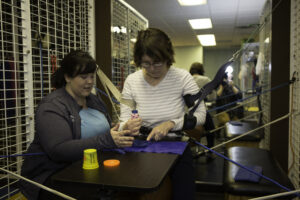
● Universal Exercise Units (spider cages) for safe weight-bearing and postural control
● Dynamic balance and gait training systems
● Specialized strengthening and neuromuscular re-education tools
This equipment allows aging adults to work on meaningful movement goals with confidence and safety.
Highly Individualized, Hands-On Care
No two individuals age the same way. Our therapists deliver one-on-one, hands-on therapy tailored to each patient’s physical, neurological, and functional needs. Treatment plans are customized to support:
● Fall prevention
● Postural alignment
● Strength and endurance
● Functional mobility
● Confidence with daily activities
We focus on quality of movement, not just exercise completion.
A Multidisciplinary Approach Under One Roof
Aging often affects multiple systems at once. Crawl Walk Jump Run offers physical, occupational, and speech therapy, allowing for a coordinated, team-based approach when needed—especially for individuals with neurological conditions, cognitive changes, or swallowing and communication concerns.
Proactive Care for Long-Term Independence
Our goal is not just short-term improvement—it is long-term independence and safety. By addressing age-related changes early and comprehensively, we help patients maintain mobility, reduce fall risk, and continue participating fully in life.
A Clinic That Treats Aging with Respect and Expertise
At Crawl Walk Jump Run, older adults are not rushed, overlooked, or placed into generic programs. They are met with:
● Clinical excellence
● Compassionate care
● Evidence-based treatment
● A belief that meaningful progress is always possible
Supporting Aging with Confidence
Aging well requires more than rest—it requires the right movement, guidance, and expertise. At Crawl Walk Jump Run Therapy Clinic, we help aging adults move with strength, confidence, and purpose at every stage of life.
Contact our clinic to learn how our specialized therapy approach can support you or your loved one through age-related changes.