Understanding Toe Walking, When to Be Concerned, and How Therapy Can Help
As parents, we celebrate every milestone—from first steps to first words. But what happens when your child walks differently than their peers? One concern many parents bring to therapy evaluations is toe walking.
If your 3-year-old consistently walks on their toes, you may be wondering:
● Is this normal?
● Will they grow out of it?
● Should I be concerned?
● Does my child need therapy?
The good news is that many children who toe walk can make significant improvements with early intervention. Understanding why toe walking occurs is the first step toward helping your child develop healthy movement patterns.
What Is Toe Walking?
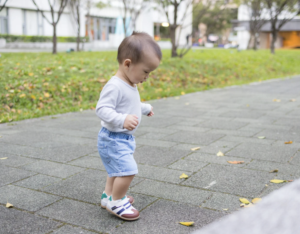
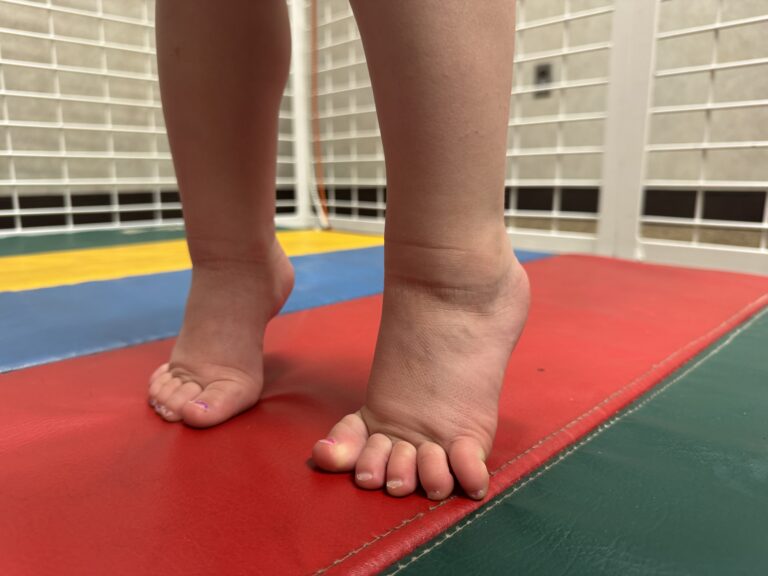
Toe walking occurs when a child walks primarily on the balls of their feet without allowing their heels to touch the ground.
Many toddlers experiment with toe walking when they are first learning to walk. Occasional toe walking is generally considered normal between the ages of 12 and 24 months.
However, by age 3, most children should consistently demonstrate a mature heel-to-toe walking pattern. If your child continues to walk on their toes frequently or all the time, it may be worth seeking a professional evaluation.
Why Does My Child Walk on Their Toes?
There isn’t one single cause of toe walking. In fact, several factors may contribute.
1. Idiopathic Toe Walking
The most common diagnosis is Idiopathic Toe Walking (ITW).
“Idiopathic” simply means there is no known medical reason for the behavior. These children:
● Meet developmental milestones
● Have no neurological diagnosis
● Demonstrate normal strength
● Walk on their toes out of habit
Although the cause may be unknown, persistent toe walking can still lead to long-term musculoskeletal problems if left untreated.
2. Sensory Processing Differences
Many children who toe walk have underlying sensory processing challenges.
Walking on the balls of the feet can provide additional sensory input through the muscles and joints, helping children feel more regulated or aware of their bodies.
Your child may toe walk if they:
● Seek movement constantly
● Enjoy jumping and crashing activities
● Dislike certain textures on their feet
● Have difficulty sitting still
● Become overwhelmed in busy environments
In these cases, Occupational Therapy often plays a critical role in treatment.
3. Tight Muscles and Limited Flexibility
Some children develop tight calf muscles or shortened Achilles tendons. This can make it physically difficult to place their heels on the ground comfortably.
Over time, persistent toe walking can actually create more muscle tightness, leading to a cycle that’s increasingly difficult to break without intervention.
4. Weak Core and Postural Muscles
Walking with a heel-to-toe gait requires strength and stability throughout the entire body. Children with:
● Core weakness
● Poor balance
● Low muscle tone
● Postural instability
may use toe walking as a compensation strategy to feel more stable.
5. Neurological Conditions
While less common, toe walking can sometimes be associated with neurological diagnoses such as:
● Cerebral Palsy
● Muscular Dystrophy
● Spinal Cord Disorders
● Traumatic Brain Injury
● Genetic Disorders
This is one reason why a thorough evaluation is important when toe walking persists beyond age 2-3.
6. Autism Spectrum Disorder
Toe walking is frequently seen in children diagnosed with Autism Spectrum Disorder (ASD). Research suggests this may be related to:
● Sensory processing differences
● Motor planning challenges
● Balance and coordination difficulties
Not every child who toe walks has autism, but persistent toe walking can sometimes be one piece of a larger developmental picture.
When Should Parents Be Concerned?
Consider seeking a therapy evaluation if your child:
✓ Is 3 years old or older and continues to toe walk regularly
✓ Walks on their toes more than 50% of the time
✓ Cannot voluntarily walk with heels down
✓ Falls frequently
✓ Appears stiff or tight
✓ Complains of foot or leg discomfort
✓ Has difficulty keeping up with peers
✓ Shows signs of developmental delays
✓ Has balance or coordination difficulties
Early intervention is often easier and more effective than trying to correct long-established movement patterns later.
What Happens If Toe Walking Is Left Untreated?
Many parents assume their child will simply outgrow toe walking.
While some children do, others continue the pattern into adolescence and adulthood. Potential long-term consequences include:
Muscle Tightness
Persistent toe walking can shorten:
● Calf muscles
● Achilles tendons
● Hamstrings
Balance Difficulties
Children may struggle with:
● Running
● Jumping
● Climbing
● Sports participation
Foot and Ankle Problems
Abnormal walking patterns can lead to:
● Foot pain
● Ankle instability
● Flat feet
● Altered biomechanics
Knee, Hip, and Back Pain
The body works as a chain. When walking mechanics are altered, stress can travel upward into:
● Knees
● Hips
● Pelvis
● Spine
Reduced Participation
Children may avoid activities because they tire easily or struggle with coordination and balance.
How Physical Therapy Helps Toe Walking
Physical Therapists evaluate the entire movement system to identify why a child is toe walking. Treatment may include:
Stretching and Range of Motion
Improving flexibility in:
● Calves
● Achilles tendon
● Hamstrings
● Hip muscles
Strengthening
Building strength in:
● Core muscles
● Gluteal muscles
● Lower extremities
● Postural muscles
Gait Training
Teaching proper heel-to-toe walking patterns through engaging activities.
Balance and Coordination Training
Improving body awareness and stability during movement.
Orthotic Recommendations
Some children benefit from:
● Shoe modifications
● Orthotics
● Night splints
● Serial casting
when clinically appropriate.
How Occupational Therapy Helps Toe Walking
Many families are surprised to learn Occupational Therapy can be just as important as Physical Therapy for toe walking.
OTs assess sensory processing, motor planning, and body awareness.
Treatment may include:
Sensory Integration
Helping children process sensory information more effectively.
Proprioceptive Activities
Providing “heavy work” activities that help regulate the nervous system.
Examples include:
● Climbing
● Pulling
● Pushing
● Obstacle courses
● Resistance activities
Body Awareness Training
Teaching children where their body is in space and helping them develop more efficient movement patterns.
Motor Planning
Improving a child’s ability to coordinate and execute complex movements.
Why a Multidisciplinary Approach Works Best
At Crawl Walk Jump Run Therapy Clinic, we believe toe walking should never be viewed as simply a foot problem.
Toe walking is often influenced by multiple factors, including:
● Strength
● Flexibility
● Balance
● Sensory processing
● Motor planning
● Neurological development
That’s why our Physical Therapists and Occupational Therapists frequently collaborate to address the whole child.
By identifying the root cause of toe walking rather than simply treating the symptom, we can help children achieve more lasting results.
Why Families Choose Crawl Walk Jump Run Therapy Clinic
When it comes to toe walking treatment, experience and resources matter. Our team specializes in evaluating and treating children with:
● Idiopathic Toe Walking
● Sensory Processing Disorders
● Developmental Delays
● Autism Spectrum Disorder
● Neurological Conditions
● Genetic Disorders
Families choose Crawl Walk Jump Run because we offer:
Comprehensive Evaluations
We look beyond the feet to understand the entire child.
Specialized Equipment
Our advanced therapeutic equipment allows us to target balance, posture, strength, and gait in unique and engaging ways.
Multidisciplinary Care
Physical Therapy and Occupational Therapy work together to create individualized treatment plans.
Family Education
Parents receive practical strategies to support progress at home.
Individualized Treatment
No two children are alike, and neither are our therapy plans.
The Earlier the Better
If you’re asking yourself, “Why is my 3-year-old walking on their toes?” you’re already taking the first step toward helping your child.
Early intervention can often prevent long-term complications and help children develop more efficient movement patterns before habits become deeply ingrained.
If your child continues to toe walk, struggles with balance, or isn’t keeping up with peers physically, a therapy evaluation can provide answers, guidance, and peace of mind.
We’re Here to Help
At Crawl Walk Jump Run Therapy Clinic, our experienced team specializes in helping children build the strength, coordination, balance, and sensory processing skills they need to move confidently through life.
If you have concerns about your child’s walking pattern, contact us today to schedule an evaluation and learn how we can help your child take the next step toward success.