Toe walking is a common concern parents bring up during therapy evaluations. While some children briefly walk on their toes when first learning to walk, persistent toe walking may indicate underlying sensory, neurological, or motor challenges that benefit from intervention.
Many people immediately think of physical therapy for toe walking — and while PT plays an important role, occupational therapy is often a critical piece of successful treatment, especially when sensory processing and motor planning are involved.
Understanding where occupational therapy fits can help families choose the most effective, comprehensive approach.
What Is Toe Walking?
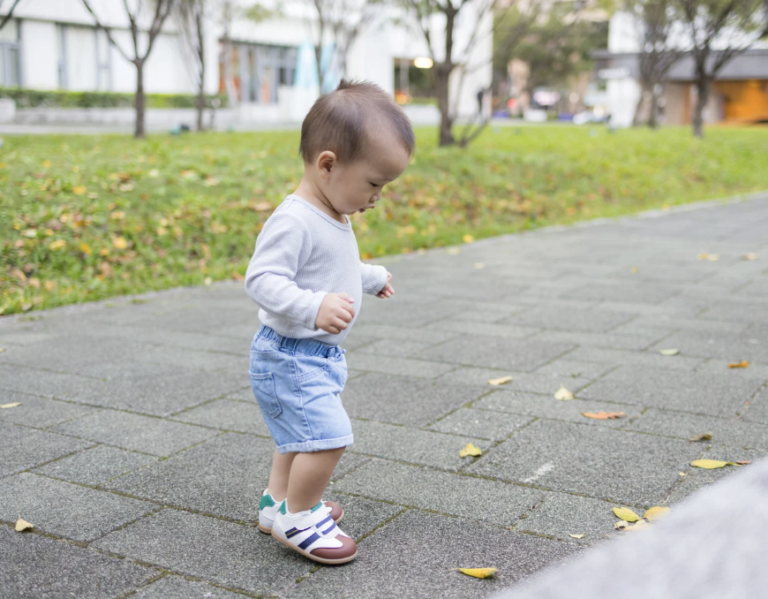
Toe walking occurs when a child walks on the balls of their feet without their heels touching the ground. Some children toe walk occasionally, while others do so consistently throughout the day.
Toe walking may be:
● Intermittent
● Habitual
● Sensory-driven
● Related to muscle tightness
● Neurologically based
● Linked to motor planning difficulties
Because toe walking can have multiple causes, treatment should address more than just the feet and ankles.
Common Causes of Toe Walking
Toe walking is often multifactorial. Some of the most common contributors include: Sensory Processing Differences
Some children toe walk because they:
● Seek proprioceptive input
● Avoid certain floor textures
● Are sensitive to touch
● Prefer deep pressure through joints
● Have difficulty processing body awareness
This is where occupational therapy plays a major role.
Low Muscle Tone
Children with low tone may toe walk to increase stability.
Motor Planning Difficulties
Some children struggle to coordinate heel-to-toe walking patterns.
Retained Reflexes
Primitive reflex patterns can influence posture, balance, and walking mechanics.
Muscle Tightness
Tight calves and limited ankle range can develop over time.
Where Occupational Therapy Fits in Toe Walking Treatment
Occupational therapy focuses on the sensory, neurological, and functional components of toe walking — areas that are often missed when only addressing muscle tightness.
OT addresses the “why” behind toe walking, not just the walking pattern itself.
Sensory Processing and Toe Walking
Many children toe walk because they are seeking or avoiding sensory input. Occupational therapy may address:
● Tactile sensitivity (discomfort with surfaces)
● Proprioceptive needs (seeking joint compression)
● Vestibular processing (balance and movement)
● Body awareness challenges
● Regulation difficulties
OT uses targeted activities to help the nervous system process input more effectively, which can reduce the need for toe walking.
Proprioceptive Input and Body Awareness
Children who toe walk often benefit from increased proprioceptive input, which helps them understand where their body is in space.
Occupational therapy may include:
● Heavy work activities
● Deep pressure input
● Weight-bearing exercises
● Joint compression activities
● Climbing and pushing tasks
These activities improve body awareness and promote more grounded walking patterns.
Motor Planning and Coordination
Some children toe walk because they struggle to coordinate heel-to-toe movement. Occupational therapy addresses:
● Motor planning
● Coordination
● Bilateral integration
● Timing and sequencing
● Movement transitions
Improving these skills helps children naturally adopt a heel-to-toe gait.
Reflex Integration
Retained primitive reflexes can influence posture, muscle tone, and walking patterns. Occupational therapy may include:
● Reflex integration techniques
● Postural control exercises
● Core activation
● Movement pattern retraining
Addressing reflex patterns can reduce toe walking behaviors.
Sensory Regulation
Children who are dysregulated may toe walk more frequently.
OT supports:
● Self-regulation strategies
● Sensory modulation
● Calming input
● Alerting input when needed
Better regulation often leads to improved movement patterns.
How Occupational Therapy Differs From Physical Therapy for Toe Walking
Occupational Therapy Focus
● Sensory processing
● Body awareness
● Motor planning
● Reflex integration
● Regulation strategies
● Functional movement
● Neurological influences
Physical Therapy Focus
● Calf stretching
● Ankle mobility
● Strengthening
● Gait training
● Balance
● Biomechanics
Both are important, but they address different components of toe walking.
Why OT and PT Together Are Most Effective
Toe walking often has:
● Sensory components
● Motor components
● Musculoskeletal components
A multidisciplinary approach addresses all of these areas.
Together, OT and PT can:
● Improve ankle mobility
● Reduce sensory-driven toe walking
● Strengthen postural muscles
● Improve body awareness
● Promote heel-to-toe gait
● Prevent recurrence
This leads to more lasting results.
Signs Your Child May Benefit from Occupational Therapy for Toe Walking
Your child may benefit from OT if they:
● Toe walk more when excited or overwhelmed
● Avoid certain surfaces (grass, sand, barefoot)
● Seek jumping or crashing activities
● Have difficulty sitting still
● Show sensory sensitivities
● Have poor body awareness
● Appear clumsy
● Have coordination difficulties
● Walk flat-footed when reminded but return to toes
● Have inconsistent toe walking
These signs often indicate sensory involvement.
Long-Term Concerns If Sensory Toe Walking Is Not Addressed
If sensory-driven toe walking is not treated, children may develop:
● Tight calf muscles
● Limited ankle mobility
● Poor balance
● Foot pain
● Postural changes
● Reduced endurance
● Coordination difficulties
● Functional limitations
Addressing sensory needs early helps prevent these complications.
What Occupational Therapy Treatment May Include
Treatment may involve:
● Sensory integration activities
● Proprioceptive input exercises
● Balance and coordination work
● Core strengthening
● Weight-bearing activities
● Reflex integration
● Motor planning tasks
● Functional gait training
● Home sensory strategies
Each program is individualized based on the child’s needs.
Early Intervention Makes a Difference
The earlier toe walking is addressed, the easier it is to change movement patterns before tightness and compensation develop.
Occupational therapy plays a key role in:
● Identifying sensory drivers
● Improving body awareness
● Supporting regulation
● Promoting functional walking
A Whole-Child Approach to Toe Walking
At Crawl Walk Jump Run Therapy Clinic, we take a comprehensive approach to toe walking by combining:
● Occupational therapy
● Physical therapy
● Sensory integration
● Neurological-based treatment
● Functional movement training
This allows us to address the root cause, not just the symptom.
When in Doubt, Get an Evaluation
If your child is consistently toe walking, an occupational therapy evaluation can help determine whether sensory processing or motor planning challenges are contributing.
Early support can help your child develop efficient, comfortable, and functional walking patterns.
Contact Crawl Walk Jump Run Therapy Clinic to schedule an evaluation and learn how occupational therapy fits into your child’s toe walking treatment plan.